Physical Address
304 North Cardinal St.
Dorchester Center, MA 02124
Physical Address
304 North Cardinal St.
Dorchester Center, MA 02124
tendencia-br
tendencia-br
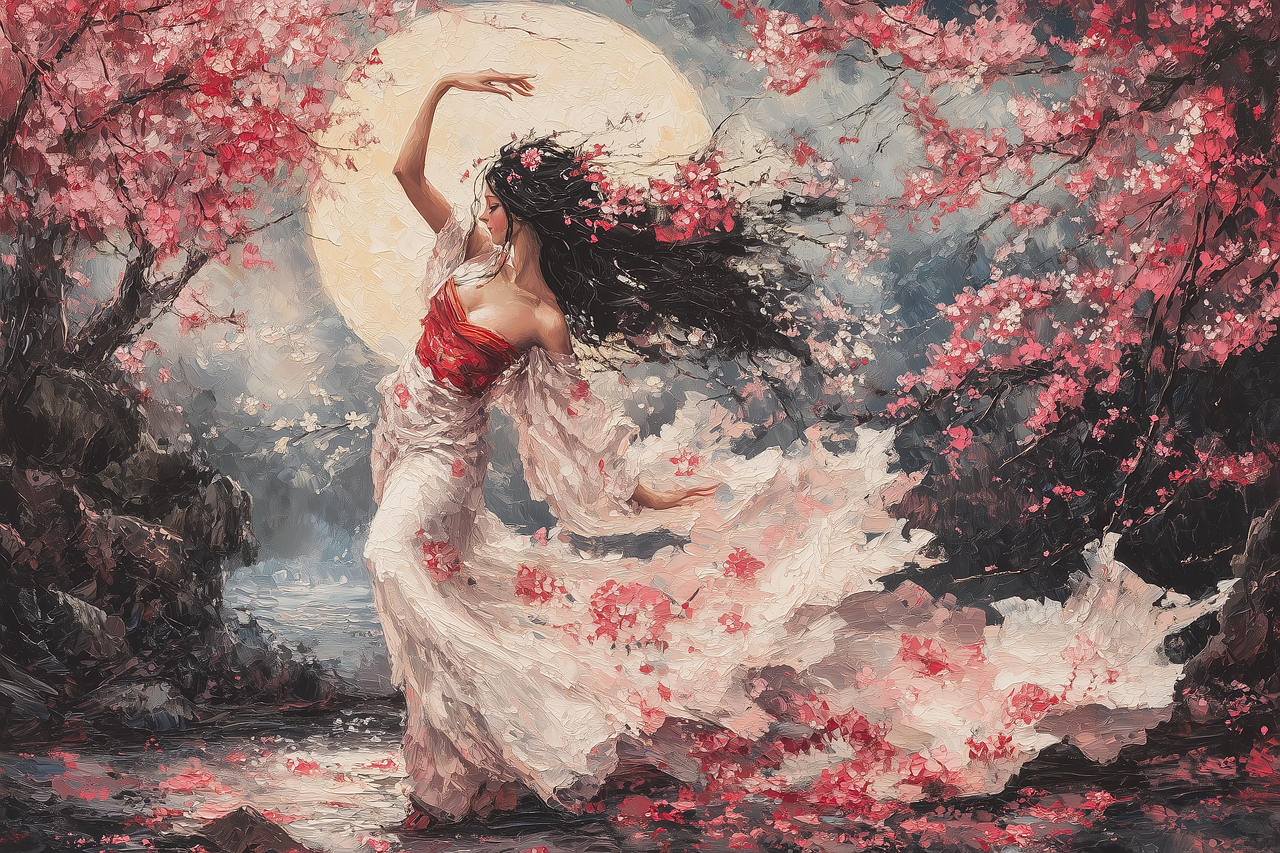
Fashion is an ever-evolving canvas that reflects the intricate tapestry of culture across the globe. It provides a medium through which the customs, traditions, and beliefs of various societies are showcased and celebrated. From the vibrant textiles of Africa to the minimalistic aesthetics of Japan, fashion trends are heavily influenced by cultural dynamics. This article delves into the multifaceted relationship between culture and fashion, exploring how cultural nuances shape the style narratives of different regions.
Cultural heritage plays a critical role in shaping fashion trends. Traditional attire often serves as a foundation upon which modern fashion is built. For instance, the sari in India remains an enduring symbol of elegance, yet designers continuously reinterpret it with contemporary twists. Similarly, the kimono, a quintessential element of Japanese culture, has found its way into global fashion with modern adaptations that maintain its essence while appealing to a broader audience.
In Africa, traditional textiles such as Ankara and Kente have transcended their cultural boundaries, influencing global fashion runways. These fabrics are not only celebrated for their vibrant colors and patterns but also for the stories and meaning they convey. Fashion houses across the world are increasingly incorporating these elements into their collections, acknowledging the rich cultural significance they hold.
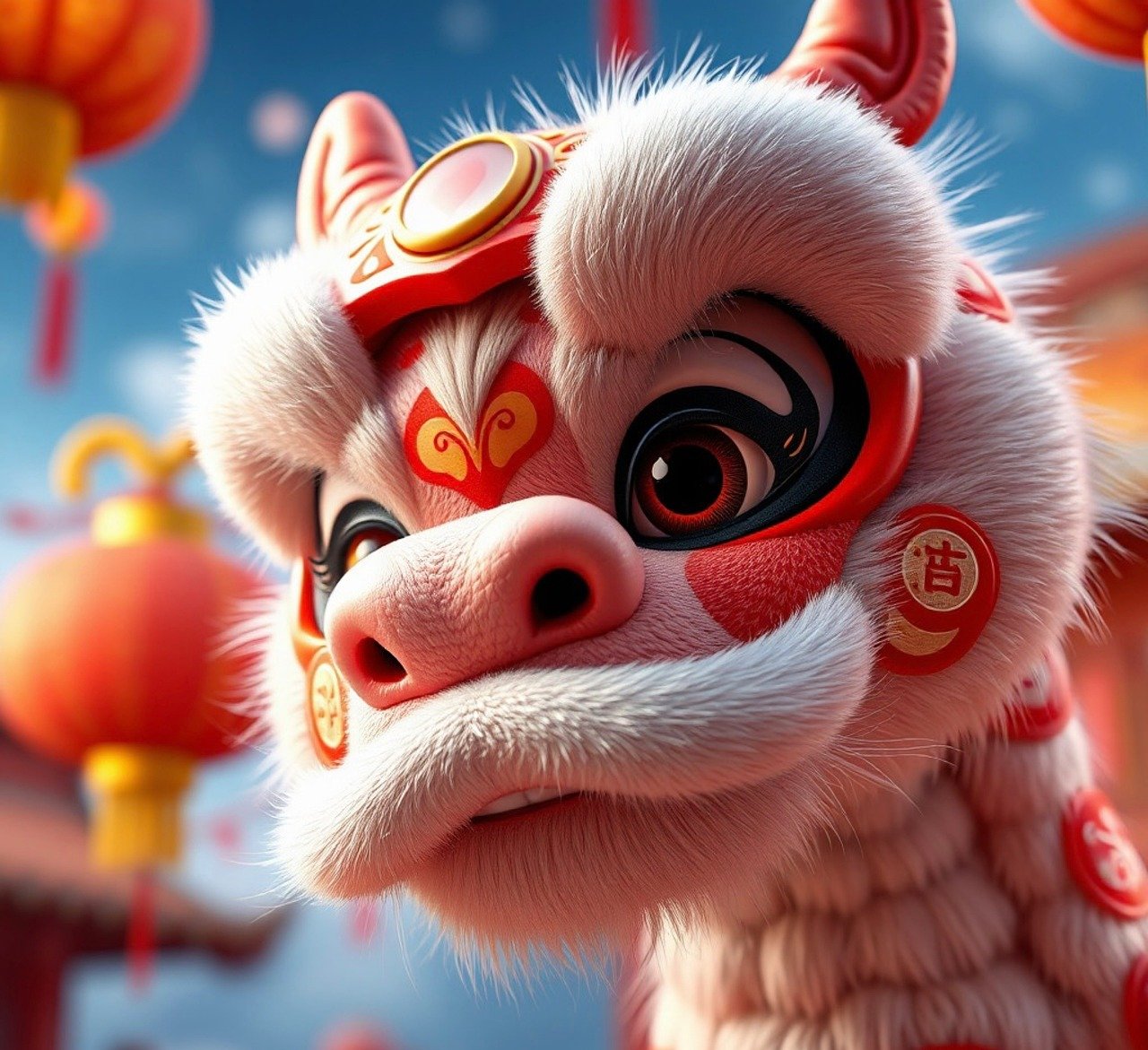
Fashion serves as a powerful tool for cultural expression. It allows individuals to convey their identity, beliefs, and social status. In many indigenous cultures, clothing is imbued with symbolism and is used in rituals and ceremonies. For example, the Maasai people of East Africa use colorful beads and intricate patterns in their attire to signify age, marital status, and social standing.
Moreover, in countries like Mexico, traditional garments such as the huipil are not only worn for daily activities but also serve as a testament to the wearer’s heritage and community. Each design is unique, often representing the specific region from which the wearer hails. These cultural garments are increasingly being celebrated in contemporary fashion, highlighting the importance of preserving cultural identities in a rapidly globalizing world.
While culture profoundly influences fashion trends, globalization has facilitated the exchange of styles across borders. As a result, fashion has become a melting pot of cultural influences, where diverse elements blend to create innovative trends. The rise of social media platforms and fashion influencers has further accelerated this process, allowing fashion enthusiasts to share and adopt styles from around the world instantaneously.
The bohemian style, for example, draws inspiration from various cultural sources, including the gypsy lifestyle, Native American motifs, and 1960s counterculture. This eclectic mix of cultural elements has become a staple in contemporary fashion, demonstrating how globalization has transformed local traditions into global phenomena.

Fashion designers and brands play a pivotal role in bridging cultural divides through their creations. Renowned designers often draw inspiration from different cultures, incorporating their unique elements into their designs. This practice not only enriches the fashion industry but also fosters cross-cultural appreciation and understanding.
Designers like Vivienne Tam have been celebrated for their ability to merge Eastern and Western aesthetics, creating collections that resonate with a global audience. Similarly, brands such as Stella McCartney and Gucci have embraced sustainable practices inspired by indigenous cultures, highlighting the importance of ethical fashion. By doing so, they promote cultural sustainability and encourage the preservation of traditional craftsmanship.
While the cultural exchange in fashion is largely positive, it does come with its set of challenges. Cultural appropriation remains a contentious issue, as designers may sometimes adopt cultural elements without proper understanding or respect for their significance. This can lead to the dilution of cultural heritage and offend the communities from which these elements originate.
To address these concerns, it is crucial for fashion brands and designers to engage in meaningful dialogue with cultural representatives and involve them in the creative process. By ensuring that cultural elements are used respectfully and ethically, the fashion industry can honor the traditions it draws inspiration from while promoting diversity and inclusivity.

As the world becomes increasingly interconnected, the influence of culture on fashion is expected to grow. The future of fashion lies in its ability to celebrate cultural diversity while fostering inclusivity and understanding. By embracing the rich tapestry of global cultures, the fashion industry can continue to innovate and inspire.
Emerging designers are already paving the way for a culturally conscious fashion landscape. Initiatives that focus on sustainable and ethical practices, such as the use of locally sourced materials and fair trade production, are gaining momentum. These efforts not only support cultural preservation but also contribute to a more equitable global fashion industry.
The influence of culture on fashion trends is a testament to the power of cultural diversity and creativity. As fashion continues to evolve, it remains intrinsically linked to the cultural narratives that shape our world. By acknowledging and celebrating these influences, the fashion industry can foster a deeper appreciation for the rich tapestry of cultures that define our global society. As we look to the future, it is imperative that fashion continues to honor its cultural roots while embracing innovation and inclusivity.
The advent of technology has revolutionized how fashion is consumed and created, playing a crucial role in the cultural exchange within the fashion industry. Digital platforms allow designers to showcase their collections to a global audience, breaking down geographical barriers that once limited cultural exchanges. Through virtual fashion shows and online marketplaces, artisans and designers from different cultural backgrounds can reach consumers worldwide.
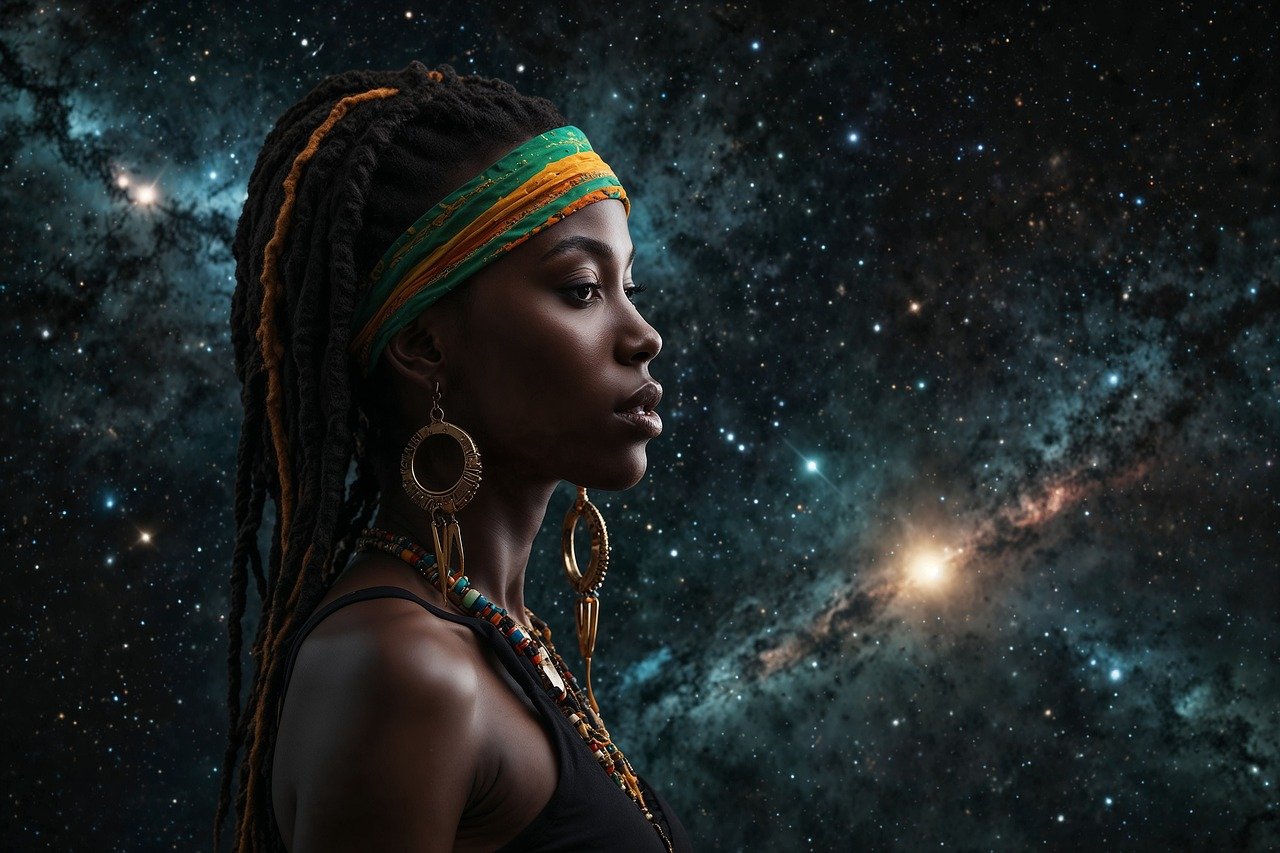
Moreover, technology has facilitated the preservation of traditional crafts and techniques. With the help of digital documentation and virtual reality, artisans can now archive and share their skills with future generations. This technological preservation ensures that traditional cultural practices remain vibrant and influential in contemporary fashion.
The use of artificial intelligence and data analytics has also enabled brands to better understand consumer preferences, allowing them to tailor their offerings to diverse audiences. This data-driven approach provides insights into how cultural trends emerge and evolve, helping brands to create more meaningful and culturally resonant collections.
Fashion possesses the unique ability to serve as a platform for cultural dialogue, encouraging conversations around identity, heritage, and social issues. Fashion weeks and exhibitions often feature collections that address cultural themes, sparking discussions about diversity, representation, and inclusion within the industry.
For instance, the Met Gala often features themes that celebrate cultural heritage and challenge societal norms. These events provide an opportunity for designers to showcase their cultural roots and for audiences to engage with diverse perspectives. Through these platforms, fashion becomes a powerful tool for cultural exchange and understanding.
Fashion is not merely about clothing; it is a reflection of self-expression and identity. Cultural fashion allows individuals to connect with their heritage and communicate their unique stories. Wearing culturally significant attire can evoke a sense of pride and belonging, reinforcing one’s connection to their cultural roots.

In multicultural societies, fashion becomes a way to bridge different cultural identities, fostering inclusivity and mutual respect. For many, embracing cultural fashion is a way to celebrate their diversity and challenge stereotypes. It empowers individuals to assert their identity in a world where cultural homogenization is increasingly prevalent.
One of the most impactful ways to promote cultural fashion is by supporting indigenous and local artisans. By purchasing ethically made products from these artisans, consumers can contribute to the preservation of traditional crafts and support sustainable livelihoods.
Organizations and initiatives that focus on fair trade practices and ethical sourcing are instrumental in empowering artisans. These initiatives ensure that artisans receive fair compensation for their work and that their cultural heritage is respected and valued. By choosing to support these efforts, consumers play a vital role in sustaining cultural diversity in the fashion industry.
The interplay between culture and fashion is a dynamic and ever-evolving relationship that continues to shape global fashion trends. As cultural influences become more prominent in the fashion industry, it is essential to approach these exchanges with respect and appreciation. By celebrating cultural diversity and fostering inclusivity, the fashion industry can continue to thrive as a platform for cultural dialogue and innovation.
Ultimately, the future of fashion lies in its ability to honor cultural heritage while embracing new possibilities. By supporting ethical practices, promoting cultural exchange, and amplifying diverse voices, the fashion industry can continue to inspire and connect people from all walks of life. As we look forward, let us embrace the rich and vibrant cultures that define our world, and allow them to shape the fashion trends of tomorrow.