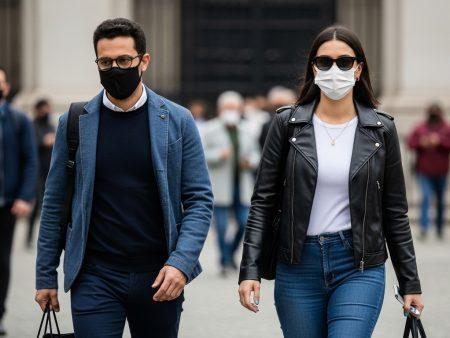
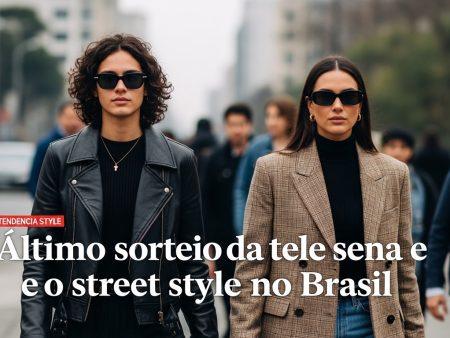
A deep analysis of how Street Style Brazil reveals urban identity, consumer behavior, and mobility across Brazil’s diverse cities—from coast to interior.
This report examines how Street Style Brazil reveals deeper cultural and economic shifts at the street level, offering a lens on urban life that policymakers, retailers, and designers should watch. The core question guiding this piece is how Street Style Brazil signals changes in mobility, labor, and taste across Brazilian cities.
Context: Street style as a mirror of urban friction
In Brazilian megacities and regional towns alike, street fashion is rarely only about clothes. It functions as a social signal and a form of improvisation against material constraints. Markets in São Paulo’s periferias feed a loop of demand for affordable, expressive pieces, while formal retailers struggle to match the speed of style seen on transit lines and at street corners. The result is a dynamic, porous ecosystem where a hoodie coexists with a flip-flop and a logo tee that carries neighborhood pride. This context matters because fashion becomes a real-time read on urban friction—where people work, commute, and dream about upward mobility.
The street style economy: creators, brands, and online amplification
Brazilian street style thrives on a hybrid economy. Small producers, local ateliers, and sneaker-customizers fill niches that mass-market labels overlook, offering made-to-order items, repair services, and upcycled fabrics. Social media accelerates visibility; a post from a São Paulo creator can reverberate through Recife markets within hours, shaping what counts as current. The interplay of streetwear and music—funk rhythms, rap, and samba school aesthetics—creates a collage where outfits function as cultural currency. This web of producers and platforms is not merely about aesthetics; it is also a machine for informal employment, cooperative networks, and micro-entrepreneurship that sustains local economies during downturns.
Regional palettes and climate: the Brazilian street style code
Regional differences imprint distinct color stories and material choices. Coastal cities with tropical heat favor breathable fabrics, vibrant prints, and beach-ready silhouettes, while inland metros lean toward layered looks that adapt to office hours and street markets. The north and northeast combine Afro-Brazilian influences with bright palettes that echo festival culture, whereas southern cities often privilege minimalist silhouettes with technical fabrics for rain and wind. These codes matter because they reveal how climate, local industry, and cultural heritage shape everyday wardrobe decisions, not just runway trends.
Actionable Takeaways
- Brand builders: invest in local manufacturing and repair hubs to extend product lifecycles and support neighborhood economies.
- Retail strategists: embrace inclusive sizing, modular pieces, and culturally resonant collections that travel across city networks.
- Event organizers: curate street-style showcases that involve independent designers, photographers, and music acts to reflect local identity.
- Researchers and policymakers: track informal fashion ecosystems as indicators of labor market health and urban resilience.
Source Context
For broader social context, the following articles offer related perspectives on Brazilian public life and urban culture. Each piece informs how public spaces, media, and everyday acts intersect with style and identity.