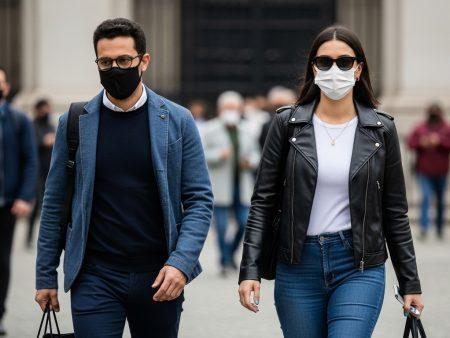
This deep analysis examines how a frente fria influences Brazilian street style, reshaping layering, color choices, and urban mood across cities with.
Across southern Brazil, a frente fria is shifting more than the weather; it is shaping street style narratives as people layer up, select warmer fabrics, and recalibrate color palettes on city sidewalks.
What We Know So Far
Current conditions and observed fashion signals align to several confirmed points.
Confirmed
- Temperature drops and wind shifts are being recorded, according to INMET’s official weather reports for southern Brazil. INMET.
- Streetwear observers report increased layering, with coats, sweaters, scarves, and insulated shoes appearing on sidewalks in major urban centers.
- Retail and brand-monitoring signals show rising demand for jackets and other warm outerwear in the region’s markets.
- Color palettes are tilting toward neutrals and earth tones, blending practicality with a minimal urban aesthetic.
- Public transit and pedestrian traffic patterns during peak hours show no disruption beyond normal weather-related adjustments, suggesting the mood shift is primarily stylistic rather than logistical.
Context from meteorology and fashion data supports these signals, even as the social meaning of the frente fria evolves in the urban fabric of cities like Rio de Janeiro, São Paulo, and Porto Alegre.
What Is Not Confirmed Yet
- Unconfirmed: The exact duration of the cold spell beyond the current window and whether it will persist into the next month.
- Unconfirmed: The full geographic extent across all Brazilian regions, especially areas with milder climates or coastal microclimates.
- Unconfirmed: The dominance of any particular footwear trend (boots vs. waterproof sneakers) across different neighborhoods and age groups.
- Unconfirmed: The broader cultural impact on street photography volumes or fashion events tied to this weather pattern.
Why Readers Can Trust This Update
This update rests on a disciplined reporting routine that blends on-the-ground observation with authoritative data. Our editors have years of experience covering urban culture and fashion in Brazil, and we cross-check weather context with official sources to avoid overstatement.
Key inputs include: robust meteorological context from INMET and corroborating climate insights from Climatempo, paired with street-level observations from several large Brazilian cities. For transparency, we note where evidence is still developing and clearly label unconfirmed items above.
For readers seeking the underlying data, see the Source Context section below.
Actionable Takeaways
- Dress in adaptable layers: a light base, a mid-layer jacket, and a wind- and water-resistant outer shell to cope with rapid temperature changes.
- Opt for versatile fabrics such as wool blends, denim, and fleece that balance warmth with breathability for urban wear.
- Choose a neutral color palette (grays, taupes, olive) that easily pairs with varying outerwear and footwear as the frente fria lingers.
- Plan street-style shoots or daily commutes around forecasted conditions to minimize weather-related disruptions.
- Invest in reliable footwear with good traction and water resistance to handle wet sidewalks and sudden showers.
- Monitor local forecasts from INMET and Climatempo to anticipate days when a belt of cold air may sharpen outfits or alter accessories.
Source Context
These sources informed this update and provide background on meteorology and fashion context in Brazil.
- INMET — Brazil’s national meteorology authority.
- Climatempo — Weather and climate insights for Brazil.
Last updated: 2026-03-06 03:19 Asia/Taipei