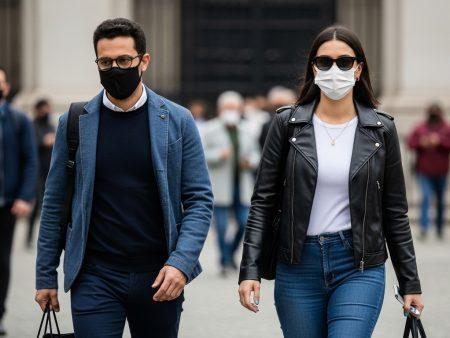
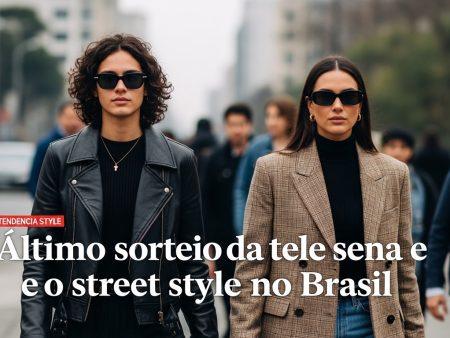
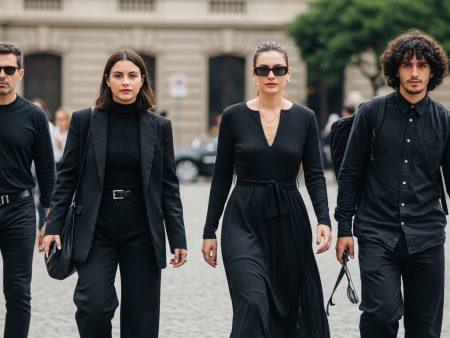
An editorial, data-informed look at how Street Style Brazil reveals urban life, class tensions, and everyday resistance through clothing across Brazil’s.
tendencia-br.comBrazil street style news and analysis.
How Street Style Brazil Shapes Urban Identity and Change
Updated: March 16, 2026
This feature examines how Street Style Brazil reveals the social fabric of Brazil’s cities, from coastal capitals to inland towns, and shows how people negotiate belonging, work, and aspiration in everyday dress. Clothing becomes a language of resilience, a nonverbal report on inequality, and a way to map urban life across a country of vast geographic and cultural variety.
Origins and Tensions in the Streets
Brazil’s street style has grown from a layered mix of community aesthetics, labor realities, and mobility needs. In many neighborhoods, practical dress—comfortable fabrics, modular layers, and sturdy footwear—meets expressive touches such as bold colors, graphic prints, and upcycled accoutrements. The result is a moving archive of how people navigate heat, rain, and crowded transit while signaling belonging within specific groups. This dating of style is not merely about trend cycles; it is a register of social negotiation. When formal retail channels contract or become inaccessible, the street becomes the primary showroom and classroom for adaptation.
At the same time, tensions emerge around who gets to define “fashion” in public spaces. Global brands and online marketplaces push standardized aesthetics that can feel distant from regional realities, while informal economies—local tailors, secondhand markets, and small producer collectives—keep Brazilian street style rooted in place. Public policies, policing, and the availability of safe, shaded public spaces matter as much as the clothes themselves. The street becomes a theater where visibility, scarcity, and improvisation interact, shaping who is seen, who is heard, and whose ideas about style dominate.
The Hybrid Aesthetic: Workwear, Luxury, and Local Identity
One defining feature of contemporary Street Style Brazil is hybridity: outfits blend workwear practicality with touches of luxury or prestige signaling. A choreographer’s utility pants paired with a designer-inspired logo sleeve, or a thrift-store jacket tailored into a custom silhouette, can communicate competence, creativity, and social mobility in the same breath. This hybridity mirrors broader urban economies where precarious labor, gig work, and micro-entrepreneurship demand clothing that travels well across different contexts—commute, job site, social event—without sacrificing identity.
Local designers and municipal creative collectives amplify this blend by valuing upcycling, repair culture, and modular pieces that can be reassembled as needs change. The emphasis on durability and adaptability speaks to a longer-term view of fashion in a climate of economic volatility. It also signals a strategic shift: clothing becomes not just a symbol of status but a portable toolkit for navigating daily life, enabling people to project credibility in a city that often demands resilience before recognition.
Digital Narratives: Social Media as a Running Commentary
Platforms such as Instagram, TikTok, and regional apps have accelerated the diffusion of Brazilian street styles across cities that once stood apart. Sudden micro-trends illuminate local labor practices, climate needs, and cultural histories in real time. An outfit seen on a bus in Recife might be echoed by a creator in Porto Alegre within days, with captions that connect climate, transit options, and community stories. Yet this digital visibility is not neutral: algorithms amplify certain urban aesthetics while marginalizing others, shaping which narratives of belonging become legible to a national audience.
Beyond aesthetics, social media serves as a forum for critique and dialogue about representation. Creators foreground underrepresented identities, challenge stereotypes, and document the everyday labor that keeps street style alive—from tailor-made alterations to the improvisation of accessories. The result is a more plural but also more scrutinized public wardrobe, where the choice of fabric, cut, or color can carry political resonance as well as personal taste.
Policy, Economy, and Public Space
The street is inseparable from urban governance. Where cities allocate space for vendors, bus stops, murals, and pedestrian-friendly corridors, street style gains or loses visibility and vitality. Public space policies—shade, seating, safety, and the right to display wares—shape how people assemble and how outfits are experienced by others. When policy supports informal traders and small studios, the street becomes a sustainable engine for local economies and cultural exchange. Conversely, over-policing or restrictive zoning can stifle creativity and push fashion innovation underground or out of public view.
Economic realities also drive stylistic choices. Inflation, wage volatility, and job precarity push communities toward adaptable wardrobes; the demand for durable, repairable garments grows as a pragmatic response to cost pressures. Street style then doubles as a form of social infrastructure—an accessible way to express dignity, skill, and entrepreneurial spirit within a challenging economic landscape. In that sense, fashion becomes a barometer for broader urban health: mobility, equity in access to space, and the capacity of public life to accommodate diverse expressions of identity.
Actionable Takeaways
- Support local designers, tailors, and upcycling initiatives to sustain diverse, value-driven fashion ecosystems.
- Invest in durable, modular pieces that adapt to Brazil’s varied climates and daily routines.
- Elevate and document street style from multiple regions to broaden the national narrative and reduce regional bias.
- Partner with photographers and community leaders to ensure fair, respectful representation of marginalized voices.
- Advocate for urban space policies that protect informal economies and allow safe, inclusive street cultures to flourish.
Source Context
For readers seeking broader social context beyond fashion, the following articles offer related perspectives on Brazilian society and urban life: