An in-depth look at how free Street Style Brazil thrives in Brazil’s cities, turning sidewalks into democratic runways and a catalyst for community.
In Brazil’s urban centers, free Street Style Brazil is not merely a look; it’s a practice of improvisation and identity that helps residents navigate heat, crowding, and social space. Fashion here grows from sidewalks, bus stops, and market stalls, where style is a language shared aloud without gatekeepers or price tags. This analysis situates street style as a lens on how Brazilians negotiate public life, inequality, and mobility, while offering practical signals for brands, policymakers, and communities.
Public spaces as runways: street style in Brazil’s cities
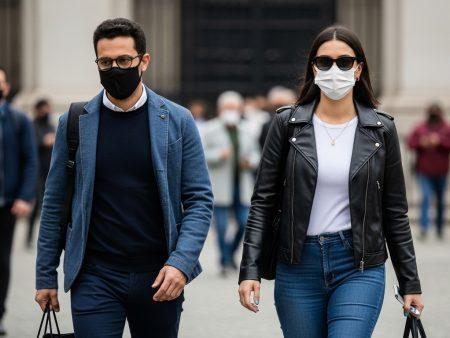
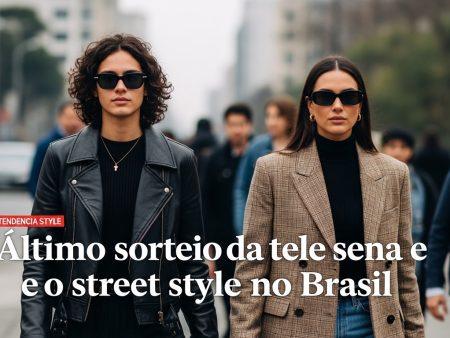
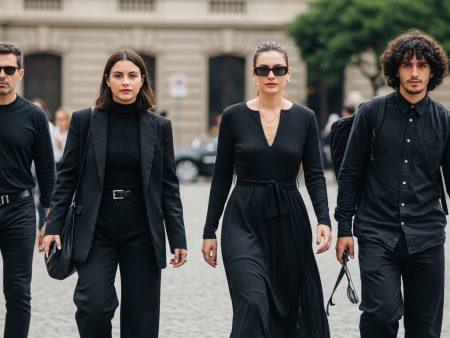
Public spaces function as improvised runways where garments, silhouettes, and accessories tell stories about work, transit, and leisure. In São Paulo and Rio, a hot day often yields layered outfits built from thrifted finds, upcycled fabrics, and local crafts. The absence of formal dress codes in these spaces is not an abdication of taste but a strategic adaptation to humidity, traffic, and urban friction. The result is a kaleidoscope: neutral workwear tempered by tropical color, denim patched with graffiti-inspired patches, sneakers scuffed from long commutes, and hats that shade from the sun and signal belonging to a neighborhood crew.
Climate, commerce, and craft: materials and mobility
Brazil’s climate conditions—heat, rain, and humidity—shape material choices as much as aesthetics. Lightweight cottons, breathable linens, and synthetic blends that wick moisture circulate through informal networks of traders and markets. Accessibility matters: many city residents rely on foot travel or public transit, so outfits must be comfortable across long days and varied terrains. The street style ecosystem thrives on upcycling and multiplicity—patchwork jeans from a used garment, vibrant sneakers from local sellers, and handmade jewelry assembled from found objects. This practical ingenuity aligns with broader sustainability conversations, even when the environmental credentials of each item are informal or implicit.
Technology, media, and the democratization of style
Digital platforms amplify street style across city borders. Smartphone cameras and social feeds allow one outfit to cross neighborhoods in hours, creating a feedback loop that accelerates experimentation. Micro-influencers, neighborhood photographers, and community collectives curate lookbooks that rival glossy magazines in their emphasis on authenticity, ease of replication, and affordability. The phenomenon of free Street Style Brazil emerges here as a counter-narrative to luxury branding: fashion becomes accessible through shared templates, DIY modifications, and the simple act of wearing clothes that tell a local story rather than a global label.
Actionable Takeaways
- Encourage inclusive public spaces with shade, water, and seating so residents can gather, exchange ideas, and showcase style without barrier.
- Support upcycling and local manufacturing to strengthen the link between climate, economy, and creativity in street fashion.
- Promote sustainable fashion literacy through community workshops that teach repair, alteration, and responsible consumption.
- Protect street vendors and informal economies that mediate who can access, display, and trade fashion in urban spaces.
- Capture and share diverse street style narratives to broaden the understanding of Brazilian fashion beyond high-end labels.