Physical Address
304 North Cardinal St.
Dorchester Center, MA 02124
Physical Address
304 North Cardinal St.
Dorchester Center, MA 02124
tendencia-br
tendencia-br
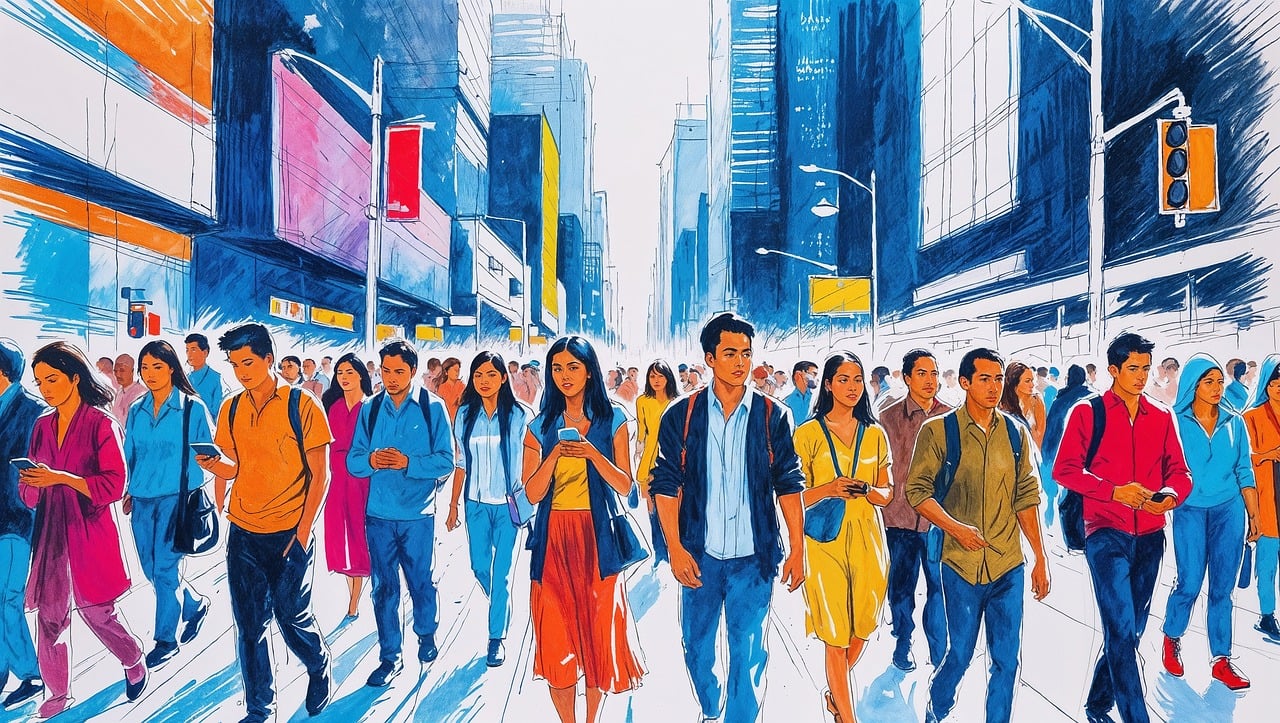
This analysis examines how Street Style Brazil reveals urban identity, social signals, and economic realities across Brazilian cities, offering practical.
This feature examines how Street Style Brazil functions as a living map of urban life, revealing cultural cues, social signals, and the everyday negotiations of identity in Brazilian cities. To understand the phenomenon, we trace ensembles, materials, and silhouettes from São Paulo’s avenues to Recife’s neighborhoods, noting how fashion choices reflect larger currents in work, leisure, and community life. The lens of street style offers a practical way to read city dynamics beyond headlines, showing what people wear, how they move, and whom they acknowledge in public spaces.
Brazil’s street fashion has long blended climate, labor, and performance cultures. From the sunny coastlines to the dense urban cores, residents borrow from surf gear, gym wear, samba uniforms, and workwear to craft looks that are simultaneously practical and expressive. In the late 1990s and early 2000s, a convergence of music scenes—hip-hop, baile funk, and skate culture—helped democratize fashion, turning ordinary streets into runways where individuality outpaced glossy magazines. Today, that history remains legible in color palettes, fabric choices (breathable cottons, linen blends, and recycled synthetics), and the way people layer for shifting temperatures within crowded transit lines. Street style became less about trend chasing and more about time-stamped identity: a moment captured in a shared space that signals belonging, status, and dissent without saying a word.
Technology and social media have accelerated the visibility of street-level looks. Everyday photographers, neighborhood forums, and city-wide events turn sidewalks into micro-runways, inviting people to respond in real time with likes, comments, and remix ideas. Local scenes in cities like São Paulo and Rio de Janeiro are shaped by the rhythms of daily life—commutes, markets, beaches, and nightlife—where outfits must function across heat, rain, and long walks. The rise of micro-influencers and community-led fashion projects has democratized what counts as style, shifting value away from luxury labels toward originality, craft, and inclusivity. In this dynamic, a scarf, a repurposed jacket, or a bold color can signal affiliation with a neighborhood, a subculture, or a shared sense of resilience in crowded urban spaces.
Brazil’s urban fashion palette is as regional as its geography. The streets of São Paulo, a testing ground for commercial and creative collaboration, often showcase sharper tailoring alongside streetwear edges, while cities in the Northeast emphasize lighter fabrics, brighter color schemes, and influences from carnival and waterfront life. Economic constraints shape what is available, but they also amplify resourcefulness: thrift stores, upcycling studios, and small local brands thrive where digital access is high and consumer interest is diverse. The result is a street style that is not monolithic but woven from public transport routes, school routes, and market corners—spaces where people curate outfits that travel across social circles and into small-scale exhibitions, pop-up shops, and neighborhood collaborations.
Street style informs both product development and brand storytelling. Local designers read the sidewalk for silhouettes that adapt to humidity, movement, and urban rituals, while thrift and upcycling chains introduce a circularity that resonates with sustainability-minded buyers. Retailers adapt with flexible inventories, pop-up shops, and collaborations with artists and musicians, turning the street into a showroom that evolves with each season. The broader takeaway is that style here is pragmatic and participatory: garments are judged by fit, comfort, and how well they travel from bus to bar, rather than by exclusivity alone. That pragmatism supports a resilient urban economy, where small labels can reach broad audiences through community-driven events and digital distribution without losing their local roots.