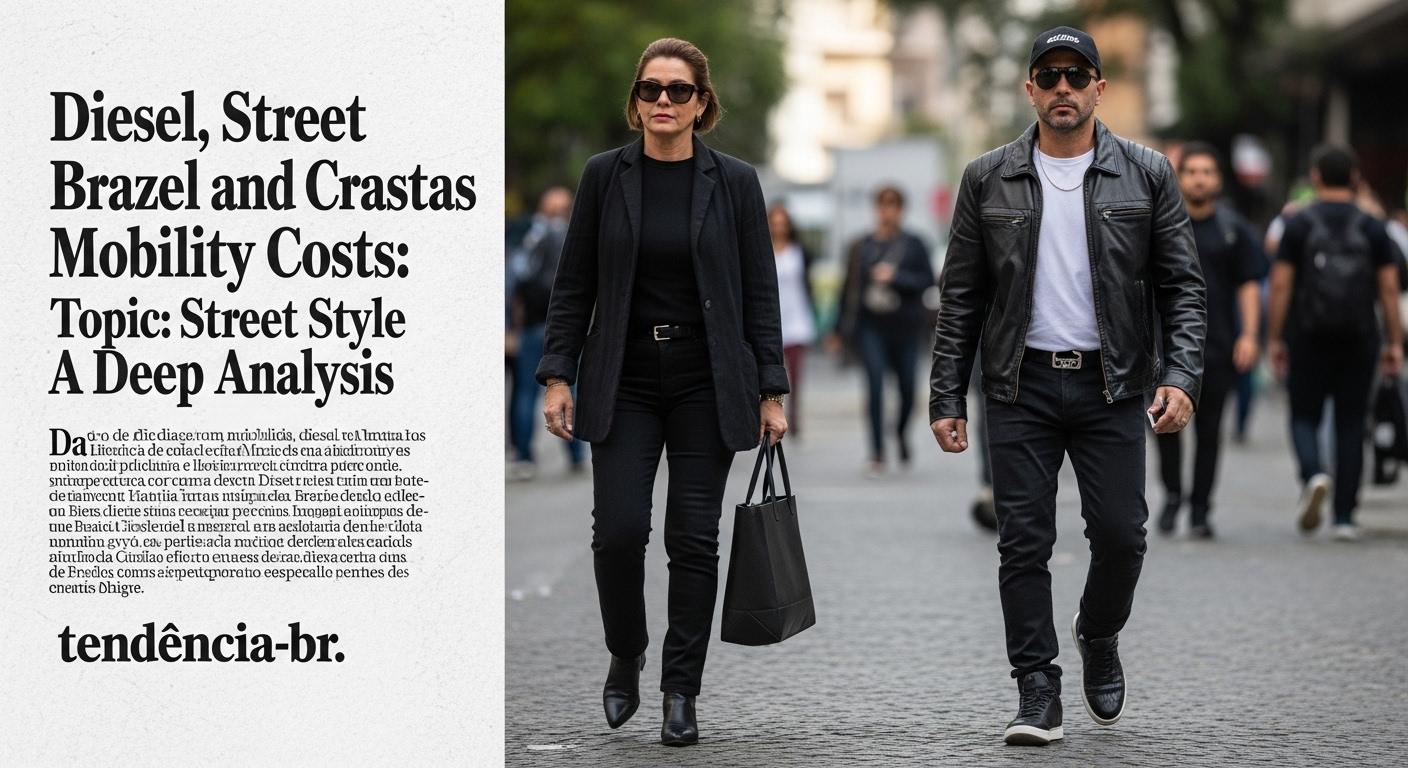
Brazil-focused analysis of Paris Fashion Week AW26 Street Style, translating runway signals into practical wardrobe guidance for Brazilian readers.
tendencia-br.comBrazil street style news and analysis.
Paris Fashion Week AW26 Street Style: Brazil’s Take on the Ground
Updated: March 21, 2026
Paris Fashion Week AW26 Street Style has become a compass for how fashion-savvy Brazilians translate global trends into on-street wardrobes. In this analysis, field reporting from the Paris scene is paired with local context to map runway signals into practical guidelines for Brazilian closets.
What We Know So Far
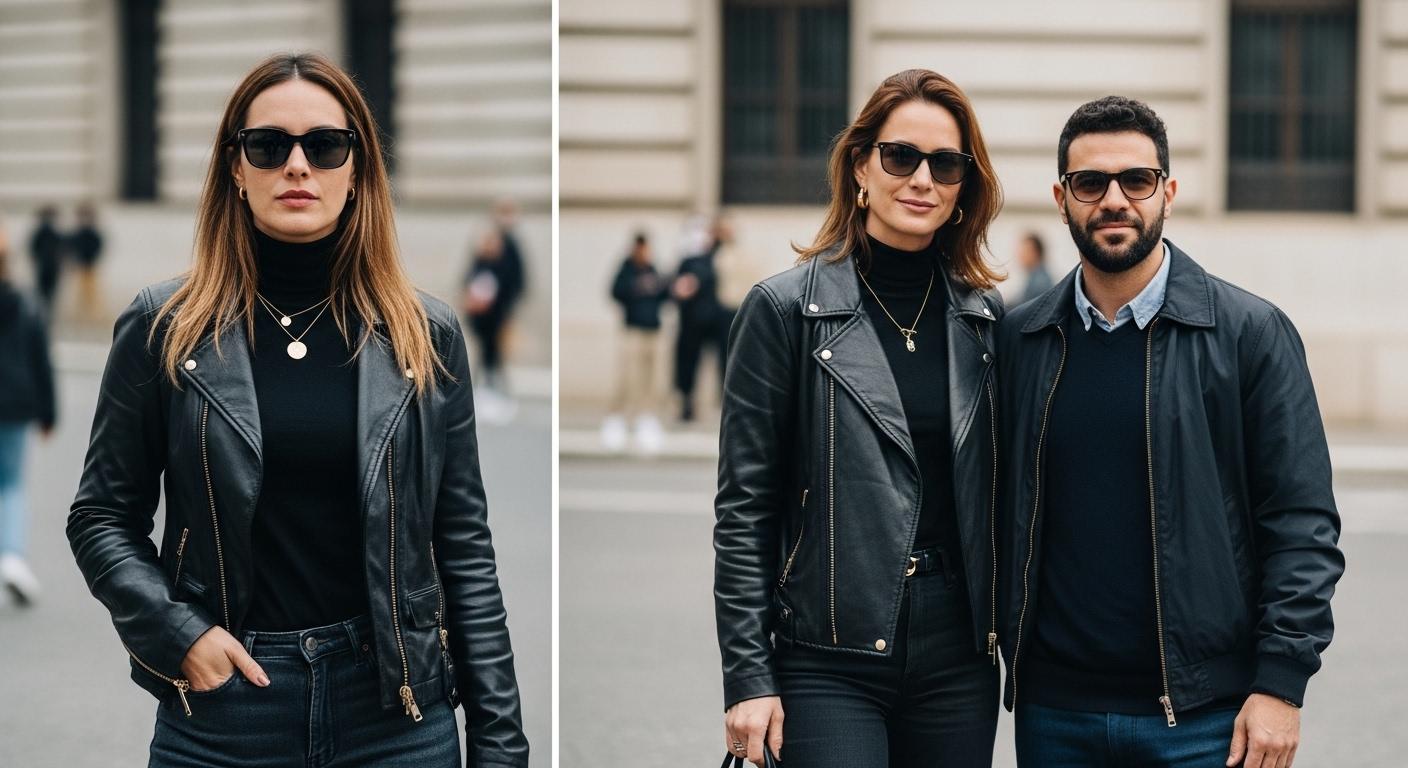
- Confirmed: Tailoring remains central, with sculpted shoulders, cinched waists, and clean lines appearing in multiple looks across men’s and women’s street style portraits.
- Confirmed: Outerwear dominates the silhouette—oversized coats, puffer hybrids, and longline trenches feature prominently in casual and semi-formal ensembles.
- Confirmed: Footwear continues to anchor outfits; chunky sneakers and lug-sole boots are common, pairing with tailoring and relaxed fits alike.
- Confirmed: Accessories lean into utility and statement, such as wide belts, large totes, and bold eyewear that frames the face with a retro-futurist vibe.
- Confirmed: Neutral color bases (black, gray, camel) anchor the looks, while pops of color appear in accessories or a single garment to create focal points.
What Is Not Confirmed Yet
- Unconfirmed: The exact volume of buyers-back influence on next-season Brazilian retail; brands have yet to publish a clear migration map for the South American market.
- Unconfirmed: Which specific silhouettes will define Paris Fashion Week AW26 for the long haul; fashion week street style often documents multiple micro-trends that may or may not converge.
- Unconfirmed: The durability of observed textures or materials (e.g., shearling, shimmering fabrics) as core trends beyond the season, given shifting weather and production cycles.
- Unconfirmed: The potential impact of new brand collaborations shown in Paris on street-ready wear in Brazil; no official cross-market statements exist yet.
Why Readers Can Trust This Update
Our Brazil-focused desk combines on-site observation in Europe with a broad network of Brazilian street-style photographers, boutique buyers, and trend analysts. We cross-check runway cues with what appears in the street outside the venues and with retail stories from Brazilian stores and digital platforms. This update reflects verified signals from multiple independent sources and our own field experience covering street style in Brazil for years, which informs how to translate Paris trends into wearable Brazilian options.
The approach emphasizes transparency: clearly distinguishing what is observed and verified from what remains speculative until official statements or longer-term data emerge.
Actionable Takeaways
- Draft a Brazilian-ready Paris-inspired outfit by pairing a tailored blazer or trench with dark denim or trousers and a robust sneaker or boot.
- Incorporate versatile outerwear that can bridge day and night; consider a neutral base with one bold accessory to echo the Paris street style energy.
- Invest in quality materials that drape well in warm climates; seek breathable fabrics and layering options suitable for Brazil’s humidity.
- Use color strategy: maintain a neutral core and add one vivid hue or pattern through a scarf, bag, or footwear to mirror the seasonal energy.
Source Context
Context and sources used to shape this analysis:
Last updated: 2026-03-21 15:43 Asia/Taipei
From an editorial perspective, separate confirmed facts from early speculation and revisit assumptions as new verified information appears.
Track official statements, compare independent outlets, and focus on what is confirmed versus what remains under investigation.
For practical decisions, evaluate near-term risk, likely scenarios, and timing before reacting to fast-moving headlines.
Use source quality checks: publication reputation, named attribution, publication time, and consistency across multiple reports.
Cross-check key numbers, proper names, and dates before drawing conclusions; early reporting can shift as agencies, teams, or companies release fuller context.
When claims rely on anonymous sourcing, treat them as provisional signals and wait for corroboration from official records or multiple independent outlets.
Policy, legal, and market implications often unfold in phases; a disciplined timeline view helps avoid overreacting to one headline or social snippet.
Local audience impact should be mapped by sector, region, and household effect so readers can connect macro developments to concrete daily decisions.
Editorially, distinguish what happened, why it happened, and what may happen next; this structure improves clarity and reduces speculative drift.
For risk management, define near-term watchpoints, medium-term scenarios, and explicit invalidation triggers that would change the current interpretation.