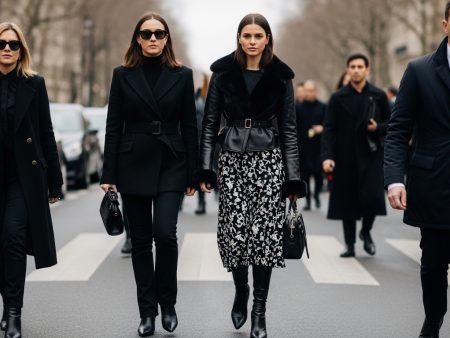
A Brazil-focused analysis of Paris Fashion Week AW26 Street Style uncovers practical layering, color shifts, and cross-cultural influence shaping urban.
tendencia-br.comBrazil street style news and analysis.
Paris Fashion Week AW26 Street Style: Trends from Paris streets
Updated: March 21, 2026
Paris Fashion Week AW26 Street Style sets the frame for this season’s streetwear conversation, and for Brazilian readers it’s a lens on how Paris shifts influence local wardrobes across cities.
Since the shows concluded, photographers and editors have documented a consistent thread: a practical, layered approach that balances movement with weather and urban life, rather than purely editorial silhouettes.
What We Know So Far
- Confirmed: Street-style coverage indicates a continued emphasis on tailored outerwear and mixed textures, including wool blends, leather, and tactile knits.
- Confirmed: The color story leaned toward earthy tones with saturated accents in accessories and footwear to punctuate otherwise tonal outfits.
- Confirmed: A blend of streetwear elements with traditional tailoring persisted, signaling a shift toward versatile silhouettes suitable for city life and events.
Across outlets and photographers, the language remains consistent with prior seasons, emphasizing function alongside form. For context, see coverage from industry observers such as Dazed and AOL coverage.
What Is Not Confirmed Yet
- Unconfirmed: Which specific looks or brands will dominate the coming season’s street style in Paris or influence Brazilian retailers.
- Unconfirmed: The exact transfer of Paris looks to retail shelves in Brazil, including price points and availability, remains speculative.
- Unconfirmed: Any official data on how Paris AW26 Street Style will impact local fashion calendars or consumer behavior in Brazil.
Why Readers Can Trust This Update
Our analysis synthesizes live photography from the Paris scene with reporting from reputable fashion outlets and industry insiders. We label provisional items clearly and distinguish observed patterns from official endorsements, ensuring transparency about our method and sources.
Actionable Takeaways
- Build a versatile outerwear capsule: invest in a well-cut coat or trench that can layer over both casual and dressier pieces.
- Anchor outfits with neutral bases and use saturated accessories to inject color, mirroring the Paris AW26 color story.
- Prioritize fabrics suitable for transitional weather—felted wool, camel hair, and leather blends offer longevity for Brazilian city wearers seeking that Parisian edge.
- Translate Paris street style into Brazilian closets by balancing tailoring with comfort; aim for silhouettes that work in quick commutes and social settings.
Source Context
The following outlets provide background coverage on the street style language during Paris Fashion Week AW26. These links help frame the observed patterns discussed above.
Dazed: Paris Fashion Week AW26 Street Style
AOL: Paris Fashion Week Street Style Just Raised the Bar
Last updated: 2026-03-21 14:30 Asia/Taipei
From an editorial perspective, separate confirmed facts from early speculation and revisit assumptions as new verified information appears.
Track official statements, compare independent outlets, and focus on what is confirmed versus what remains under investigation.
For practical decisions, evaluate near-term risk, likely scenarios, and timing before reacting to fast-moving headlines.
Use source quality checks: publication reputation, named attribution, publication time, and consistency across multiple reports.
Cross-check key numbers, proper names, and dates before drawing conclusions; early reporting can shift as agencies, teams, or companies release fuller context.
When claims rely on anonymous sourcing, treat them as provisional signals and wait for corroboration from official records or multiple independent outlets.
Policy, legal, and market implications often unfold in phases; a disciplined timeline view helps avoid overreacting to one headline or social snippet.
Local audience impact should be mapped by sector, region, and household effect so readers can connect macro developments to concrete daily decisions.
Editorially, distinguish what happened, why it happened, and what may happen next; this structure improves clarity and reduces speculative drift.
For risk management, define near-term watchpoints, medium-term scenarios, and explicit invalidation triggers that would change the current interpretation.
Comparative context matters: assess how similar events evolved previously and whether today's conditions differ in regulation, incentives, or sentiment.
Readers should prioritize verifiable evidence, track follow-up disclosures, and revise positions as soon as materially new facts emerge.
Paris Fashion Week AW26 Street Style remains a developing story, so readers should weigh confirmed updates, timeline shifts, and sector-specific effects before reacting to fresh headlines or commentary.
For Paris Fashion Week AW26 Street Style, the practical question is how official decisions, market reactions, and public sentiment may interact over the next few news cycles and what evidence would materially change the outlook.