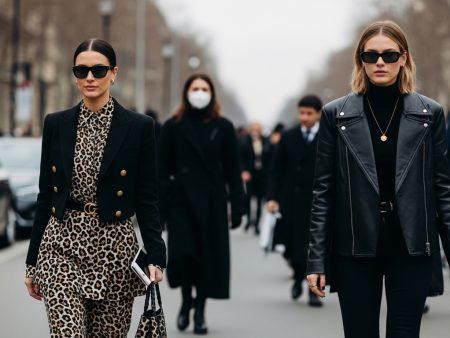
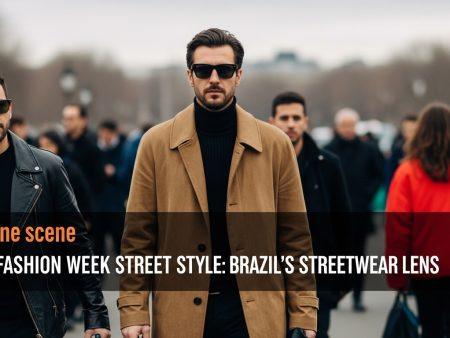
An in-depth look at how Brazilian sidewalks become a living museum of fashion, where inside Street Style Brazil reflects identity, labor, and regional.
tendencia-br.comBrazil street style news and analysis.
Inside Street Style Brazil: Trends Transforming Urban Fashion
Updated: April 17, 2026
Inside Street Style Brazil offers a moving map of urban life, tracing how fashion choices mirror social shifts across cities like São Paulo, Rio de Janeiro, and the Northeast’s diverse neighborhoods. This analysis treats streetwear not just as clothes but as a language that narrates identity, labor, and local economies in a country where regional variation is pronounced and constantly evolving.
Street-scale signals: sidewalks as urban laboratories
Across São Paulo’s busy avenues and Recife’s colorful lanes, a passerby pairing a vintage tee with utilitarian cargo pants can set the pace for a micro-trend. These looks propagate through social apps, street markets, and neighborhood meetups, often outpacing runway seasons. The causal chain is straightforward: urban density and transit culture boost exposure; secondhand markets and local upcyclers supply affordable options; and tiny collectives or local boutiques translate a glance into a repeatable, shareable formula. In this way, inside Street Style Brazil emerges not as a fashion genre but as a living map of how people work, move, and claim space in the city.
Carnival, football, and the calendar: cyclic influence on daily wear
Color, spectacle, and communal identity drive daily wardrobes in cities where Carnival and football seasons leave a mark on color palettes. The carnival parades push saturated hues, sequins, and extravagant silhouettes into daywear through resale markets and street festivals. Football culture imports team colors and logos into everyday jackets, sneakers, and caps, turning supports into portable personal statements. This cyclical pattern helps explain why certain colorways, prints, and logos resurface each year, even as silhouettes evolve. The dynamic creates a lattice: events determine the palette; retail and resellers translate it into accessible pieces; and online sharing spreads the look across regions—from affluent zones to peripheral neighborhoods.
Media, brands, and the shaping of trends in Brazilian cities
Local designers and global brands compete for attention in a market where authenticity can trump price. Streetwear scenes, including skate and hip-hop subcultures, act as testing grounds for motifs—bold typography, graphic icons, and upcycled materials. Brands increasingly rely on short-run drops and neighborhood pop-ups that align with street events, while media coverage—blogs, social feeds, and city magazines—curates a narrative of what counts as relevant city fashion. The result is a dynamic ecosystem where inside Street Style Brazil becomes an anchor term for journalists and brands seeking to describe bottom-up creativity rather than top-down mandates.
Policy, participation, and urban design: implications for urban planners and retailers
Policy and urban design shape the canvas where street style unfolds. Sidewalk width, vendor licensing, and street closure events affect how comfortable people are wearing bold outfits in crowded spaces. In cities with expansive open markets and pedestrian zones, expression becomes a practical feature of daily life—people lace their outfits with functional accessories (weather-ready layers, versatile footwear) that translate across climates and neighborhoods. Retailers and event organizers can benefit from prioritizing inclusive spaces, accessible pop-ups, and safe gathering sites that empower diverse communities to present their style with confidence. This is not only about aesthetics but about economic participation and social cohesion in dense urban centers.
Actionable Takeaways
- Invest in local collaborations that reflect neighborhood identities rather than chasing global drops.
- Support micro-market spaces and open-air pop-ups to broaden access to streetwear as a cultural practice.
- Monitor micro-trends through community-led events and mobile-first listening, not only fashion shows.
- Encourage responsible upcycling and sustainable materials to sustain a diverse and affordable street wardrobe.
- Coordinate with urban planners to protect safe pedestrian zones that invite expressive attire and social exchange.
Source Context
- Inside the Brazilian Cinema Revolution: It’s a Constitutional Right — The Hollywood Reporter
- Brazil Carnival street party do’s and don’ts: A survival kit from veterans to beginners
- I just found the best white T-shirt on the high street – and it’s only £15
From an editorial perspective, separate confirmed facts from early speculation and revisit assumptions as new verified information appears.
Track official statements, compare independent outlets, and focus on what is confirmed versus what remains under investigation.
For practical decisions, evaluate near-term risk, likely scenarios, and timing before reacting to fast-moving headlines.
Use source quality checks: publication reputation, named attribution, publication time, and consistency across multiple reports.