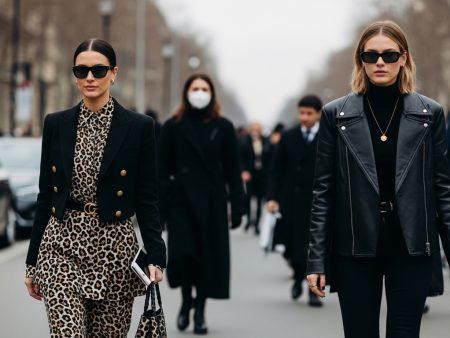
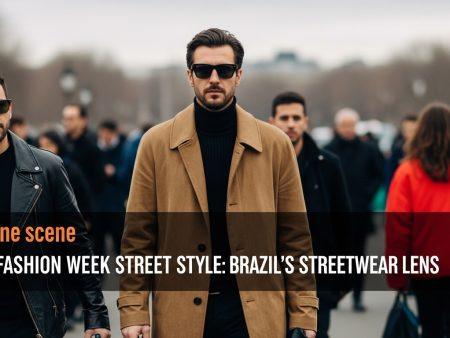
Inside Street Style Brazil, this analysis maps how daily wardrobe choices across Brazilian cities reveal regional identity, local economies, and evolving.
tendencia-br.comBrazil street style news and analysis.
Inside Street Style Brazil: A Deep Dive into Urban Fashion
Updated: April 17, 2026
inside Street Style Brazil reveals a city-level language of cloth, color, and cadence. In the sidewalks of major urban centers—from the sunlit avenues of Salvador to the rain-slick streets of Curitiba—fashion has become a daily diary of migration, opportunity, and climate resilience. This analysis maps the contemporary streetwear scene not as a footnote to luxury or runway shows, but as a living system shaped by local economies, informal markets, and digital networks that move as quickly as traffic. By tracing how ordinary Brazilians assemble outfits, swap garments, and discuss style in public space, we gain a sharper read on what fashion means to people who must balance heat, humidity, and budget in the same breath.
The State of Street Style in Brazilian Cities
Across Brazil, street style operates as a mirror of urban life, but the reflections vary by city and neighborhood. In the Northeast, where heat and humidity are felt in every fabric choice, wardrobes lean toward breathable textures, saturated colors, and layered silhouettes that can adapt to abrupt showers or late-afternoon heats. In the Southeast, where dense transit networks concentrate crowds, the emphasis often shifts to comfort and durability—sneaker-forward outfits, baggy cargo pants, and minimal accessories that survive long commutes and crowded trains. The peripheries and informal economies contribute a robust thrift and upcycling ecosystem: racks of vintage tees, patched jackets, and handmade accessories that carry stories of local music scenes, street performances, and municipal markets. The result is a street style that is simultaneously practical and expressive, grounded in local resource constraints while absorbing global silhouettes through social media and fashion journals. The urban wardrobe is thus less a collection of looks and more a ledger of daily negotiation—between climate, mobility, affordability, and the symbolic power of appearing ready for opportunity in a crowded city.
Regional variation matters because materials travel differently across the country and social networks tether what people wear to which conversations they want to join. The climate forces certain fabric mixes and color schemes, while public transit structures the kinds of silhouettes that are comfortable during peak hours. In many cities, street fashion becomes a low-cost, high-visibility way to signal belonging or aspiration: a bright sneaker here, a thrifted denim jacket there, a compact backpack that can carry a day’s essentials. This dynamic is reinforced by local retailers who curate capsule collections that respond to neighborhood tastes, and by markets where garments cycle in and out at rapid pace. Taken together, these factors produce a spectrum of styles that is uniquely Brazilian yet globally legible—a language that people adapt as they move from street corners to workplaces, schools, and social gatherings.
Technology, Social Media, and Local Identity
Digital platforms amplify the regional dialects of street style into nationwide conversations. Instagram feeds, TikTok clips, and short-form video capture everyday outfits in real time, allowing a student in Recife to influence a trend seen on a commuter in Campinas. Local hashtags, neighborhood photography collectives, and micro-influencers curate a sense of belonging within a global fashion ecology. WhatsApp groups and regional online marketplaces facilitate rapid garment exchanges, upcycling projects, and collaborative styling sessions that sustain a culture of improvisation. In practice, a look that goes viral in one city can seed a variation in another, but the core identity—an emphasis on practicality, resilience, and community—remains intact. The digital layer also democratizes access to fashion discourse: neighborhood photographers and shopkeepers become curators, shifting the balance of influence away from glossy magazines toward neighborhood conversations that happen in public space, at street fairs, and along bus routes. Technology thus reinforces a shared Brazilian identity in street style, while still allowing for city- and neighborhood-specific expressions.
Beyond aesthetics, platforms also function as marketplaces and archives. Short videos demonstrate how to repair a torn seam, how to repurpose an old jacket into a bag, or how to level up a sneaker rotation with affordable substitutions. This intentional sharing of craft knowledge nurtures a culture of sustainability without sacrificing individuality. The result is a living archive of Brazilian streetwear that travels reluctantly through digital channels yet remains rooted in the tactile pleasures of fabric, fit, and motion. In short, inside Street Style Brazil is not just about what you wear, but how online visibility reshapes your choices, your conversations, and your access to new materials and communities.
Sustainability and the Daily Wardrobe
Sustainability in Brazilian street style emerges as a pragmatic, iterative practice rather than a fixed doctrine. Secondhand markets—feiras de usados, swap events, and informal exchanges—are central to how people refresh their wardrobes without draining budgets or natural resources. Upcycling, repair workshops, and “repair-redesign” cultures circulate across cities, turning worn pieces into renewed statements. The popularity of versatile pieces—multi-season jackets, modular layers, and durable sneakers—speaks to a preference for longevity over fast fashion cycles. In this context, sustainability is closely tied to urban life’s rhythms: the need for breathable fabrics in hot climates, the necessity of pieces that endure long commutes, and the social appeal of clothes that tell a story of reuse and resilience. Public spaces become classrooms for fashion ethics, where photographers, designers, and lay shoppers alike debate the merits of new materials versus refurbished or local-made goods. The daily wardrobe thus acts as a microeconomy—one that rewards clever sourcing, local craftsmanship, and timely repair—alongside the broader national conversation about climate and consumption.
Policy, Public Spaces, and Fashion Ethics
Policy and city spaces shape what street style can do in public life. When municipal authorities allocate or restrict space for markets, pop-up boutiques, or street performances, they indirectly influence how fashion is produced and shared. In cities where governance supports open streets, designers and vendors can form informal collaborations that blend commerce with culture, creating spontaneous fashion shows and social exchanges that enrich the urban fabric. Conversely, restrictions on public gatherings or on vendor permits can dampen local experimentation, pushing activity toward private venues or online channels. Ethical considerations—consent in street photography, fair representation of marginalized communities, and the avoidance of exploitative imagery—remain central to responsible coverage of street style. Reporters and observers must balance curiosity with respect, recognizing that the street is a public forum where people negotiate visibility, safety, and autonomy at the same time.
Actionable Takeaways
- Support local Brazilian streetwear brands and artisans to strengthen regional economies and preserve cultural specificity.
- Prioritize versatile, climate-appropriate pieces and invest in durable sneakers to reduce waste and exposure to weather conditions.
- Engage in repair and resale practices to extend garment lifecycles and promote circular fashion within communities.
- Celebrate and document regional variation in style to avoid homogenization and to elevate local narratives on the streets.
- Use digital platforms to amplify inclusive street style conversations, ensuring diverse voices and perspectives are represented.
- Respect public spaces and privacy when photographing people; obtain consent and avoid sensationalizing or stereotyping communities.