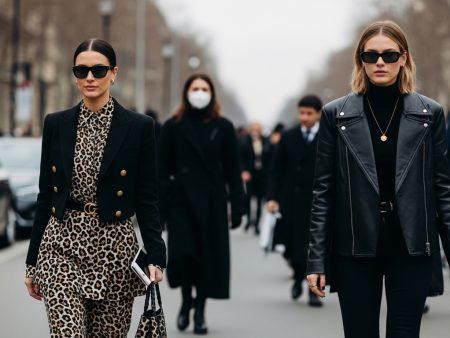
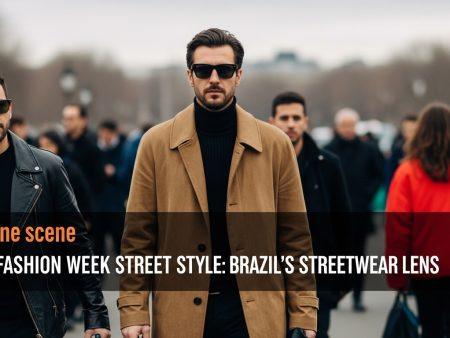
nike Street Style Brazil serves as a barometer for urban culture, linking global branding with Brazilian pragmatism, price sensitivity, and local.
nike Street Style Brazil is not merely a sneaker fad; it’s a lens on how Brazilian streets fuse global athletic branding with local pragmatism, producing a vocabulary of color, fit, and identity across cities from São Paulo to Recife.
Trends Under the Street: Nike and Brazil’s City Style
In Brazilian urban centers, Nike has become more than a product; it is a shorthand for contemporary urbanity. Local fashion narratives have superseded single-brand storytelling by layering performance silhouettes with everyday silhouettes. The result is a visual language where the Swoosh is both a signifier of international reach and a cue for personal taste. Color stories lean toward saturated primaries—navy, lime, and coral—that pop against concrete and tropical light. Yet the most compelling looks blend Nike pieces with unmistakably Brazilian elements: a samba rhythm in the pace of dressing, a futebol-inspired silhouette in streetwear silhouettes, and utilitarian layers that respond to the city’s tropical rain and sun.
This dynamic is reinforced by regional retailers and online platforms that offer entry points at varying price points. While flagship drops still command attention, many buyers curate their wardrobes with mid-tier Nike staples—sneakers, hoodies, and caps—that travel easily from bus stops to weekend shows. Local creators often remix classic lines with Brazilian fabrics and textures, giving Nike’s foundational aesthetics a refreshed, culturally resonant feel. The result is a street style ecosystem where global design language meets local habit, producing outfits that feel both aspirational and achievable.
Economic Signals in Streetwear Consumption
Brazil’s consumer landscape for streetwear operates under a careful calculus of price, value, and timing. Inflationary pressure, seasonal promotions, and import economics push many shoppers to seek the best balance between durability and novelty. Nike’s strategic pricing, bundle offers, and a mix of locally available products create entry ramps for first-time buyers while sustaining loyalty among seasoned collectors. In parallel, the secondary market thrives as a testbed for value perception: people resell and swap sneakers to refresh their lineup without incurring the full new-release premium. This cycle keeps Nike pieces circulating within the city’s social networks, reinforcing the brand as a daily utility rather than a luxury status flag.
Further, Brazil’s youth economy—characterized by high smartphone penetration and social media-driven discovery—means that a single post from a Brazilian influencer can propel a colorway into mainstream use within days. Brand storytelling has to be locally relevant: campaigns that speak to daily commutes, street markets, and block-party energy tend to resonate more broadly than glossy global narratives. In that context, Nike’s ability to adapt messaging and provide flexible purchasing options—from in-store experiences to online checkout with local payment methods—helps sustain momentum through economic cycles.
Tech, Logistics, and Accessibility of Nike in Brazil
Digital shopping has become a core pipeline for Nike in Brazil, but logistics often determine whether new releases land in a user’s hands in a timely way. The combination of reliable courier networks, clear return policies, and omnichannel pickup options makes Nike pieces more accessible to a broader audience. In dense urban cores, next-day delivery and same-day courier services align with the pace of city life; in smaller capitals, the promise of dependable regional distribution matters as much as the product itself. The brand’s local presence—through official stores, partner retailers, and mobile marketplaces—creates a multi-channel fabric that supports frequent engagement without requiring top-tier income to participate.
Important also is the user experience: extended sizes, inclusive fits, and durable materials that withstand Brazil’s climate and terrain are practical priorities. The street style consumer seeks footwear that endures city wear—standing up to rain, heat, and long commutes—without sacrificing design fidelity. Nike’s product engineering, which often emphasizes cushioning and comfort, intersects with the daily realities of Brazilian life, making sport-influenced fashion plausible as an everyday uniform rather than occasional gear. That pragmatic alignment helps Nike stay embedded in the fabric of city life even as fashion trends shift with micro-seasons and collector cycles.
Cultural Resonance: Local Heroes and Global Iconography
In Brazil, global sports icons and local heroes exert a reciprocal influence on street style. When Brazilian athletes and musicians wear Nike, the brand’s status multiplies, turning sneakers into social signals that travel across neighborhoods. Local storytelling—through collaborations, pop-ups, and community events—helps Nike integrate into Brazil’s diverse urban cultures. Street photography and fashion blogging capture these moments, transforming individual outfits into broader cultural narratives that emphasize agility, resilience, and creativity. This cultural resonance is not just about appearance; it’s about how youth groups validate identities through a shared lexicon of logos, silhouettes, and color combinations that speak to a broader sense of belonging in a dynamic, ever-evolving cityscape.
That dialogue is nuanced by Brazil’s regional differences: a São Paulo commuter’s look might emphasize sleek silhouettes and performance textures, while a coastal or interior city style may prioritize breathable fabrics and bold color contrasts. Nike’s ability to adapt to these regional moods—without erasing its global DNA—fuels a sense of authenticity that resonates with Brazilian wearers. In practice, this means local campaigns, athlete ambassadors, and design collaborations that reflect Brazilian stories, music, street art, and daily rituals, reinforcing Nike as a companion in the city rather than a distant brand silhouette.
Actionable Takeaways
- Brand teams should invest in locally informed storytelling that features Brazilian urban life, music, and sport to keep Nike relevant in city-wide conversations.
- Retailers can optimize experiences with flexible pricing, accessible sizes, and easy online-to-offline options to capture impulse purchases and long-tail demand.
- Influencer partnerships should prioritize breadth—across fashion, skate, football, and music communities—to reflect Brazil’s diverse street cultures.
- Manufacturers and logistics partners must sustain reliable service levels in major metros while expanding distribution to regional hubs to democratize access.
- Consumers can benefit from monitoring release calendars, joining loyalty programs, and exploring second-hand markets to balance desire and value without compromising style.
Source Context
The following sources provide related context on contemporary Brazilian culture, politics, and sports that intersect with street style narratives in global brands like Nike.