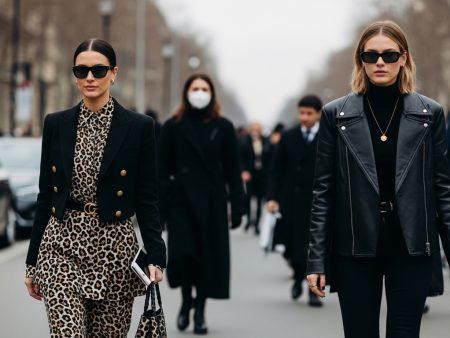
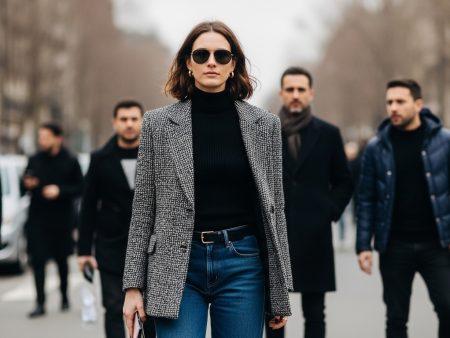
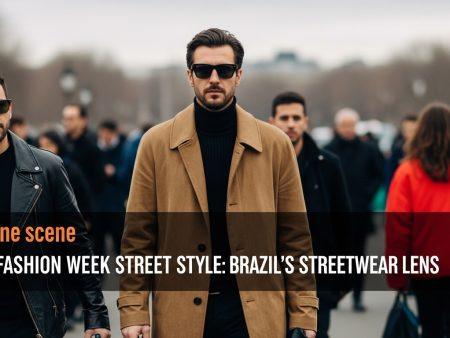
An in-depth look at how Street Style Brazil reflects city life, social dynamics, and the evolving fashion market, turning sidewalks into an expansive urban.
In Brazil, how Street Style Brazil functions as a living archive of daily life, talent, and resilience, turning sidewalks into stages where communities narrate identity beyond runways and campaigns.
Context: Brazil’s Cityscape as a Runway
Across major cities from São Paulo to Salvador, the streets themselves serve as a continuous runway. The built environment—glass towers, favelas perched on hills, street markets, and transit hubs—creates a dynamic backdrop that conditions what is worn and why. Climate shapes fabric choices, with breathable textiles and color-blocked outfits common in humid mornings, and sturdy layers for sudden showers in the afternoon. Local crafts—beadwork, leather details, crochet, and printed textiles—appear alongside global labels, signaling a hybrid where tradition and modernity cohabitate. Street style here is not a mere mimicry of fashion shows; it is a practical, communicative language that translates social position, mood, and moment into visible cues on the city’s sidewalks, buses, and plazas.
Mechanisms: How Street Style Brazil Is Formed
What sets Brazilian street style apart is the mechanism by which ideas travel and are repurposed. Social media platforms—Instagram, TikTok, and regional apps—function as real-time lookbooks, where micro-influencers, photographers, and everyday users curate daily vignettes of outfits. These posts are not ad hoc; they reflect a feedback loop where audience responses influence future choices, amplifying color, layering, and accessory density during festivals, concerts, or street markets. Local brands and ateliers operate at the neighborhood level, often combining repair culture with contemporary design. This creates a talent pipeline that feeds into larger retailers and fashion weeks, while keeping a distinct Brazilian voice in the mix. Sneakers, vintage finds, and handmade jewelry mingle to form ensembles that respond to city rhythms—late-night shifts, breakfast markets, and weekend cultural events—demonstrating a street-to-store elasticity rarely seen in more rigid fashion ecosystems.
Markets, Media, and the Message
The retail environment mirrors the broader economy: affordability, durability, and adaptability are prized as inflation and mobility shape purchasing power. Media coverage of street style in Brazil often foregrounds narratives about citizenship, labor, and community, rather than pure aesthetics. This framing positions clothing as a form of social signaling and collective resilience. Local fashion weeks and pop-up events spotlight designers who blend artisanal techniques with mass production, allowing for broader distribution without erasing regional distinctiveness. In a market that sees rapid weather changes and urban density, practical pieces—multi-use jackets, convertible bags, breathable denim, and modular layers—become common currency. The result is a style vocabulary that travels easily from favela to city center, airport lounge to after-hours venues, while maintaining a uniquely Brazilian cadence in color, texture, and silhouette.
Case Studies: São Paulo, Rio, and Recife
São Paulo offers a dense, cosmopolitan canvas where eclectic mix-and-match aesthetics coexist with high-concept streetwear. The city’s fashion subcultures emerge from corporate corridors and hipster enclaves alike, producing a city-wide sensibility that prizes clever repurposing and bold silhouettes. Rio de Janeiro blends beachwear logic with streetwear practicality, translating sun and salt into fabrics that dry quickly and colors that pop under intense light. The coastal vibe encourages fluid ensembles—wrappy sarong-inspired wraps paired with technical sneakers—able to adapt from beachside boards to urban galleries. Recife, with its tropical climate and strong regional crafts, foregrounds vibrant patterns and handmade textures, often drawing on Afro-Brazilian and Indigenous influences. Each city demonstrates how geography, weather, and historical craft heritage tune the same street style language into different regional accents, all contributing to a national identity that remains plural and evolving.
Actionable Takeaways
- Brand strategy: Develop modular, climate-adaptive pieces that layer well in hot, humid climates and transition to cooler evenings without sacrificing style.
- Creator guidance: Emphasize collaboration with local artisans to preserve craft techniques while enabling contemporary design, ensuring authenticity and community support.
- Retail approach: Build flexible retail formats—pop-ups, street markets, and online drops—that reflect the urban tempo and allow rapid feedback from local customers.
- Consumer practice: Curate a personal, city-ready uniform—versatile bases with distinctive regional accessories—that travels across São Paulo, Rio, and Recife contexts.
- Policy and culture: Support urban culture spaces that host maker markets and public photography to maintain a platform for young designers and street photographers alike.