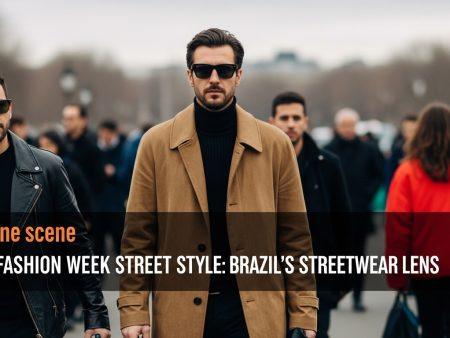
A deep-dive into how Street Style Brazil shapes urban fashion, tracing local makers to global circuits and offering practical takeaways for readers and.
tendencia-br.comBrazil street style news and analysis.
How Street Style Brazil Reshapes Urban Fashion in Brazil
Updated: April 15, 2026
In examining how Street Style Brazil shapes urban life across Rio, São Paulo, and beyond, this report treats sidewalks as stages where aesthetics become social signals and buyers of sentiment are both local and global. The street is a living showroom reflecting economic shift, municipal policy, and a shared appetite for expressive identity.
Context: Street as a Living Runway
Public spaces in Brazilian cities function as stages where style is not simply clothing but a language that communicates access, aspiration, and community. Sidewalks outside transit hubs, markets, and schoolyards become temporary ateliers where residents mix durable basics with high-impact accents—neon sneakers, hand-painted jackets, or repurposed denim. That improvisational quality is part of the appeal and a reminder that urban fashion in Brazil often travels from local corners to a broader audience via social media and independent photographers. The dynamic also reflects policy and planning decisions that shape who can use which spaces, with street life thriving where sidewalks are safe to linger and commerce is informal but resilient.
Local Makers and Global Circuit
Over the past decade, Brazilian street style has become a bridge between artisanal craft and global streetwear. Small brands based in São Paulo and Recife—focused on responsible materials, local embroidery, and practical silhouettes—have gained visibility through pop-ups, rua shows, and collaborative drops with international platforms. The global circuit, from sneaker resale networks to worldwide fashion week coverage, amplifies these local voices, but the conversation remains rooted in Brazilian climates, materials, and rhythms—cotton, denim, sun-bleached leather, and the temperament of long summer days or rainy commutes. This cross-pollination matters because it encourages designers to rethink supply chains, celebrate regional textiles, and adapt to climate realities while keeping the street as a testing ground and a marketplace.
Visual Language and Social Dynamics
What people wear in Brazilian streets is inseparable from questions of race, class, and urban mobility. A look can signal belonging, rebellion, or professional identity, and photographs captured on busy avenues or metro stations become archived social memories that influence others’ choices. The most compelling ensembles mix durability with narrative—second-hand coats with bright patches, functional sneakers paired with tailored pieces, or sportswear silhouettes reimagined as day-to-day couture. The medium matters too: everyday photographers and small-scale videographers now curate graduations of style in near real time, shaping a visual language that often travels faster than conventional fashion commentary but remains anchored in local experience.
Actionable Takeaways
- Support local Brazilian designers and artisans who emphasize durable materials and transparent production, helping keep urban fashion both innovative and responsible.
- Consider up-cycling and remixing pieces from existing wardrobes to create distinctive street looks that reflect personal history and cultural context.
- Document street style thoughtfully: seek consent, respect private spaces, and share perspectives that illuminate community diversity rather than stereotype it.
- Brands and retailers can collaborate with local communities on co-created capsules that honor climate realities and urban life in Brazil, rather than exporting homogenous trends.
Source Context
Further reading and context about how street fashion evolves in Brazil can be found at leading fashion and culture outlets:
From an editorial perspective, separate confirmed facts from early speculation and revisit assumptions as new verified information appears.
Track official statements, compare independent outlets, and focus on what is confirmed versus what remains under investigation.
For practical decisions, evaluate near-term risk, likely scenarios, and timing before reacting to fast-moving headlines.
Use source quality checks: publication reputation, named attribution, publication time, and consistency across multiple reports.
Cross-check key numbers, proper names, and dates before drawing conclusions; early reporting can shift as agencies, teams, or companies release fuller context.
When claims rely on anonymous sourcing, treat them as provisional signals and wait for corroboration from official records or multiple independent outlets.
Policy, legal, and market implications often unfold in phases; a disciplined timeline view helps avoid overreacting to one headline or social snippet.
Local audience impact should be mapped by sector, region, and household effect so readers can connect macro developments to concrete daily decisions.