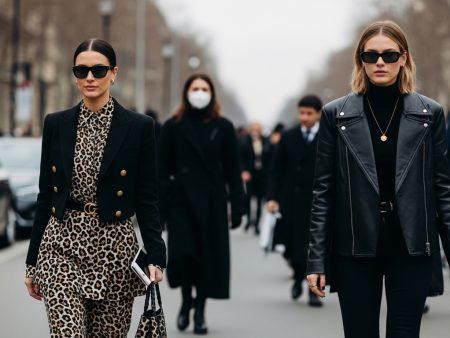
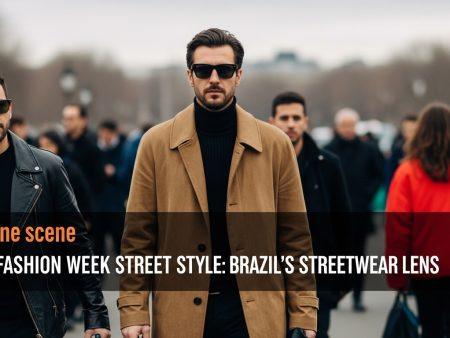
An in-depth look at how Street Style Brazil acts as a barometer of urban life, consumer culture, and social change, with implications for brands and.
This analysis investigates how Street Style Brazil operates at the intersection of fashion, mobility, and city life, offering a window into contemporary urban economies and social dynamics. Across São Paulo’s avenues, Rio’s sidewalks, and the long reach of Brazil’s regional capitals, the wardrobe choices of everyday people signal more than trends. They reveal how workers, students, and vendors negotiate space, time, and identity within an informal economy that underpins the city’s pulse. By tracing outfits from street corners to social feeds, we can map a causal chain: style influences consumption, which shapes storefronts and wages, while public space design conditions who can participate in fashion discourse. In short, how Street Style Brazil serves as a barometer for resilience, aspiration, and fault lines within the urban fabric.
Street style as urban economy
In Brazilian cities, street fashion operates as a living ledger of economic activity. Vendors, tailors, and small shops anchor a substantial portion of daily attire, especially in neighborhoods where formal retail penetration is uneven. The street becomes a testing ground for textiles, colors, and silhouettes before they appear in boutique windows or online catalogs. This immediacy matters: when a sneaker silhouette or a breathable fabric gains traction on a corner set, nearby retailers quickly adjust stock, negotiate bulk deals with local manufacturers, and calibrate pricing to reflect changing demand. The result is a loop in which style cues inform purchasing power, which in turn shapes inventories, marketing angles, and even job opportunities in design and merchandising. In such a system, street style is not merely a shared aesthetic; it is a practical economic signal that guides micro-entrepreneurship, employment pathways, and neighborhood vitality.
Urban planners and market regulators interact with this economy in ways that can either amplify or dampen its benefits. Sidewalk width, lighting, and safety affect how confidently people dress and present themselves in public spaces, while vending ordinances and permit regimes determine who can sustain a curious, fashion-forward stall alongside a formal storefront. When city design accommodates diverse flows of people—pedestrians, cyclists, and transit riders—the street becomes a more inclusive stage for fashion dialogue. Conversely, restrictive policies can push creative activity into informal channels that are harder to monitor, coordinate, or scale. The practical upshot is that street style reflects not only taste but the governance of public space and the distribution of opportunity within urban economies.
Identity, diversity, and regional variation
Brazil’s urban fabric is marked by regional vitality and cultural layering that show up in street attire. A São Paulo corridor may blend minimalist silhouettes with high-tech fabrics suitable for rapid transit and mixed weather, while coastal cities like Salvador or Recife bring saturated colors, lightweight textures, and festival-ready accents that nod to climate, music, and neighborhood histories. Across this spectrum, street style acts as a form of everyday citizenship—an assertion of belonging, skillful negotiation of precarious work rhythms, and a bridge between local identities and global fashion discourse. The city’s diverse populations—ranging from Afro-Brazilian communities to Indigenous-inspired influences and immigrant networks—co-create a visual language that is both dynamic and deeply specific to place. This regionalization matters because it challenges monolithic narratives of Brazilian fashion and foregrounds how locality shapes taste, entrepreneurship, and social capital.
In the streets, layering becomes a practical strategy for weather, movement, and status signaling. A commuter’s jacket, a scarf, and a durable boot tell a story about daily routines, income constraints, and the desire to project competence in public life. The result is a mosaic where texture, pattern, and silhouette encode not only preference but resilience—how people adapt to crowded transport, long workdays, and limited access to formal fashion channels. Such micro-styles also travel: fashion ideas move between cities via social networks, street photography, and regional media, creating a conversation that is simultaneously local and global. This cross-pollination helps explain why certain looks evolve rapidly in one neighborhood yet gain broader currency elsewhere over time.
Technology, media, and trend diffusion
Technology accelerates the diffusion of street style signals beyond immediate neighborhood circles. Instagram reels, local blogs, and micro-influencers document daily outfits, turning sidewalks into temporary studios. In Brazil’s dense urban centers, a single street corner can become a recurring reference point for what is “in,” with photos and videos circulating in hours rather than days. The feedback loop works both ways: brands and retailers monitor these signals to calibrate drops, limited editions, and pop-up events that honor local aesthetics while offering a platform for new designers. The most successful street styles blend practicality with aspirational cues—durable fabrics, comfort for long commutes, and recognizable details that cue shared identity among viewers who follow the look online. As trends move through digital channels, they acquire a social life that complements what happens in the physical streets, creating a holistic ecosystem for fashion in the city.
For policymakers and researchers, this digital dimension offers a rich source of urban data. Observing what people wear in different districts and at different times can illuminate patterns of mobility, labor cycles, and economic confidence. It also highlights potential disparities in access to fashion resources—such as affordable clothing, repair services, or digital access—that shape who can participate in the broader fashion conversation. The practical takeaway is that street style is a hybrid signal: it reflects real-world dynamics while being amplified and extended through technology.
Policy, planning, and the street as public space
Public space policy plays a decisive role in how street style develops. Adequate sidewalks, safe lighting, and accessible transit hubs create canvases where people feel comfortable expressing themselves through dress. Conversely, rigid zoning, limited vending permits, or inconsistent enforcement can suppress spontaneous fashion discourse by discouraging street-level commerce and social gathering. In practice, urban vitality depends on a balance: permitting diverse, lawful street commerce while maintaining safe, welcoming spaces for all users. This balance is not merely aesthetic; it shapes who can participate in the city’s cultural life and how that life translates into local brands, design talent, and community identity. The street thus becomes a critical metric for urban health, reflecting both the capacity for inclusive participation and the resilience of communities under economic pressure.
Actionable Takeaways
- Brands and designers: embrace regional textures, colors, and climate-appropriate materials to reflect local life while staying connected to global aesthetics.
- Policymakers and city planners: invest in sidewalks, lighting, and safe public spaces that encourage inclusive street commerce and cultural exchange.
- Urban marketers and retailers: partner with street vendors and micro-entrepreneurs to design flexible distribution models that respond quickly to street signals.
- Researchers and journalists: treat street style as an urban indicator, using mixed-method approaches to triangulate fashion signals with mobility and economic data.
- Community organizations: support repair and upcycling hubs that extend garment life, reduce waste, and sustain local wardrobes.
Source Context
For readers seeking broader context on Brazilian urban life and social dynamics, the following sources provide related perspectives: