A concise preview of how Street Style Brazil reveals urban identity, economic dynamics, and local craft shaping Brazil’s fashion scene. Get key facts.
tendencia-br.comBrazil street style news and analysis.
How Street Style Brazil Signals a New Urban Fashion Era
Updated: April 15, 2026
In Brazil, how Street Style Brazil has evolved over the last decade reveals more than outfits; it maps a shifting urban culture, redefines self-presentation in public spaces, and signals a broader negotiation between fast fashion pressures and local craftsmanship. This analysis examines the mechanics of street style as a social signal, and what it means for designers, retailers, and everyday wearers across Brazil’s largest cities.
Context: Street Style in Brazil’s Urban Landscape
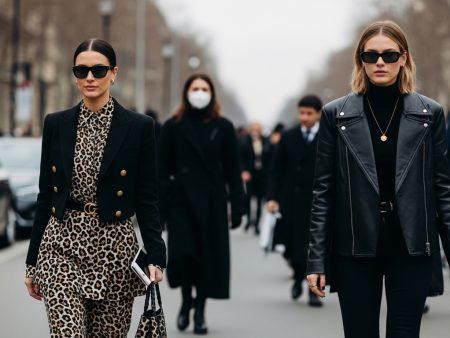
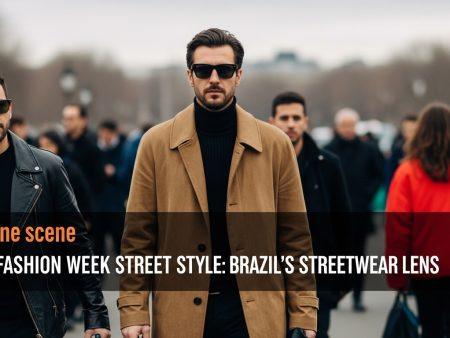
Brazil’s major urban centers, from São Paulo’s concrete canyons to Rio de Janeiro’s hillside neighborhoods, function as dynamic laboratories for style. The daily sidewalks are crowded with hybrids: capitão boots paired with sneakers, sustainable fabrics meeting luxury details, and colors borrowed from samba parades and street murals. The meaning of what people wear extends beyond aesthetics; it encodes access to resources, regional pride, and political sentiment. When the economy slows or youth culture shifts, the street becomes a site where people test new combinations, often before brands respond. The practical implication is that street style is not a separate sphere from commerce or policy but a mirror of how Brazilians experience urban life, mobility, and community in real time.
Textures, Craft, and Local Brands
In this landscape, tactile materials matter. Local artisans repurpose denim and leather into durable everyday pieces, while small designers experiment with upcycled synthetics and heat-treated fabrics suitable for Brazil’s tropical climate. The result is a slow diffusion of craftsmanship into mainstream retail, driven by social media chatter and a growing appetite for authenticity. This is not merely about designer logos; it’s about the signals that indicate provenance—where a garment was made, who cut the fabric, and whether a piece can be repaired or reimagined. The practical takeaway for retailers is to build supply chains that are transparent and resilient, to partner with nearby makers, and to present edits that honor regional variation rather than a single national stereotype.
Diffusion and Influence: From Sidewalk to Runway
Street outfits in Brazilian cities travel through networks of influence that span favelas, fashion schools, street markets, and glossy magazine pages. Micro-influencers, local photographers, and community organizers curate lookbooks that highlight color clashes, practical silhouettes, and adaptive layering for erratic weather. The same styles that thrive on the pavement migrate to pop-up shops and small boutiques before reaching larger retailers, as brands attempt to anchor collections in the country’s social fabric rather than just import trends. Such diffusion is not automatic; it depends on the ability of designers to translate street-ground realities into products that endure, accessorize, and remain affordable. The upshot is a fashion system where the street is a testing ground and a customer education platform, shaping what counts as relevant urban style in Brazil.
Actionable Takeaways
- Watch local street scenes closely to identify what everyday wear says about regional identity and climate adaptations.
- Partner with Brazilian artisans and small-scale makers to shorten supply chains and reinforce authenticity.
- Develop affordable, repairable pieces that can evolve with wear, rather than disposable trends that exhaust resources.
- Support inclusive showrooms and pop-ups in diverse neighborhoods to reflect Brazil’s social and geographic variety.
- Let street-based storytelling guide product campaigns, rather than relying solely on top-down fashion week narratives.
Source Context
Contextual references used to frame this analysis include broader coverage of Brazilian social dynamics and infrastructure that intersect with urban culture. See the following sources for related context:
- The Irish Times — How the killing of beloved Brazil street dog Orelha exposed deep societal scars
- AD HOC NEWS — Elektro Redes S.A.: The Brazilian Power Grid Bet US Investors Ignore
- Forces News — From the Royal Marines to martial arts: the veteran finding success on civvy street
From an editorial perspective, separate confirmed facts from early speculation and revisit assumptions as new verified information appears.
Track official statements, compare independent outlets, and focus on what is confirmed versus what remains under investigation.
For practical decisions, evaluate near-term risk, likely scenarios, and timing before reacting to fast-moving headlines.
Use source quality checks: publication reputation, named attribution, publication time, and consistency across multiple reports.
Cross-check key numbers, proper names, and dates before drawing conclusions; early reporting can shift as agencies, teams, or companies release fuller context.