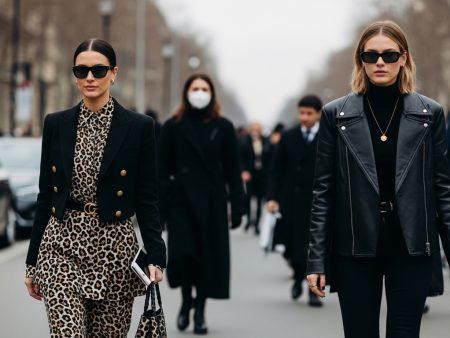
This analysis examines how the positivo Street Style Brazil movement shapes urban fashion, revealing the dialogue between local craft, climate, and global.
tendencia-br.comBrazil street style news and analysis.
Positivo Street Style Brazil: A Deep Analysis of Streetwear
Updated: April 15, 2026
The Brazilian street scene is evolving into a language of its own, and the positivo Street Style Brazil thread sits at the center of how people express resilience and identity in crowded cities. From reworked denim to tailored jackets borrowed from workwear, the streets become both runway and report card for a society negotiating growth, climate, and cultural exchange.
Street Style as a Social Barometer: What the Streets Reveal
In major urban centers like São Paulo and Rio de Janeiro, the everyday wardrobe is a ledger of local economies and social mood. The positive energy described by enthusiasts of the movimento ‘positivo’ shows up in practical choices—durable fabrics, writable patches, and pieces that can be repaired rather than discarded. When the weather shifts or transit delays redefine the day, outfits adapt: layered cottons, breathable linings, and sneakers that can be re-tied or resoled reflect a culture that values endurance and adaptability. The street becomes a living archive of micro-histories, where a simple hoodie can signal a worker’s union pride, a student protest, or a neighborhood’s creative pride. This is not about trend chasing alone; it is about a shared vocabulary that communicates resilience and belonging in crowded urban spaces.
From Runways to Avenues: The Flow of Global and Local Influences
Globally, fashion cycles accelerate through social media, but the Brazilian street scene translates those signals into locally meaningful forms. A sneaker drop from a distant brand may be reinterpreted with a regional twist—bright color blocking that echoes carnival colors, or a denim jacket salvaged from a local market with hand-sewn patches. Influencers who celebrate practical, well-made pieces help anchor the positive message of: “you can look expressive without surrendering utility.” Designers and tailors in São Paulo and Recife are increasingly collaborating with upcyclers, offering customizations that speak to identity while keeping environmental costs in check. The result is a hybrid vocabulary: global silhouettes re-scripted for Brazilian climates, materials, and community rituals.
Materials, Craft, and the Politics of Access: Who Succeeds
Access to durable, stylish clothing is often a matter of neighborhood resources. The positivo Street Style Brazil story is as much about who can repair a jacket as who can buy a new one. Local makers champion upcycling, repairing, and the repurposing of industrial fabric scraps into wearable art. The practical upshot is a more inclusive urban couture, where low-cost, high-value pieces can be styled into coherent looks. This is also a critique of fast fashion’s footprint: Brazilian communities push back against disposability by valuing longevity, modularity, and the ability to mix borrowed pieces with personal objects—an approach that foregrounds dignity and practicality over flashy but brittle statements.
Policy, Economy, and the Style Narrative: How Public Space Shapes Taste
City planners, market regulations, and climate policies all shape what people wear and how they wear it. Street style thrives where sidewalks are safe, where markets exist for affordable textiles, and where public events invite participation without erasing local identities. When climate realities push for lighter layers and breathable fabrics, designers respond with textures and weaves that perform in heat while still looking sharp. At a macro level, the fashion conversation becomes a proxy for urban resilience: how communities express pride, navigate inequality, and maintain cultural continuity in the face of rapid change. The positivo frame grounds this narrative—optimism as a practical strategy for urban living rather than a marketing slogan.
Actionable Takeaways
- Support local makers and upcycling initiatives to keep craft skills alive and reduce environmental impact.
- Prioritize durable, repairable pieces; invest in quality footwear, outerwear, and modular basics you can adapt over seasons.
- Cultivate a personal style that communicates identity while staying functional for Brazil’s climate and daily commutes.
- Promote inclusive street-style events and safe public spaces that invite diverse voices to shape the city’s fashion narrative.
- Use digital platforms to elevate underrepresented designers and share practical styling ideas that reflect everyday life.
Source Context
- Positivo Tecnologia stock coverage: quiet rally in Brazil (AD HOC News)
- Cozinha: Brazilian food and culture abroad (Glam Adelaide)
- Milan Fashion Week street style: top looks spotlight
From an editorial perspective, separate confirmed facts from early speculation and revisit assumptions as new verified information appears.