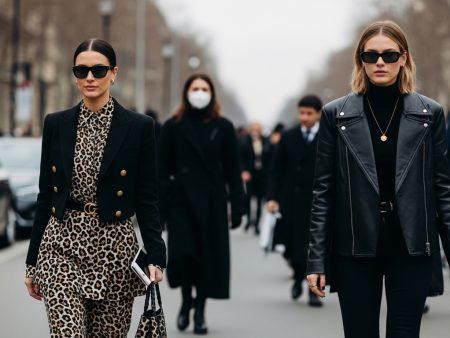
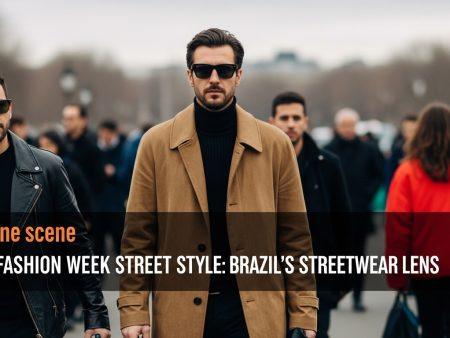
Brazil’s urban centers reveal how climate, mobility, and local craft fuse into a distinctive street fashion language. This analysis maps the currents of.
tendencia-br.comBrazil street style news and analysis.
streets Street Style Brazil: Streets of Brazil: How Street Style Sha
Updated: April 15, 2026
In Brazil’s crowded urban fabric, streets Street Style Brazil is more than a passing trend—it’s a living ledger of how people dress to navigate heat, rain, transit, and opportunity. The look emerges from sidewalk conversations, second-hand markets, and the practical demands of daily life, offering a lens into mobility, work, and aspiration that no showroom can replicate.
Context: The City as Runway
Brazilian cities function as perpetual catwalks where style adapts to infrastructure as much as to imagination. In mega-urban zones like São Paulo, the rhythm of the day—commute, service work, nightlife—skews toward versatile, breathable layers, modular silhouettes, and footwear built for long walks under sun or spray from sudden showers. The street becomes a testing ground for color, proportion, and local identity, with neighborhoods contributing distinct flavors: the pared-down minimalism of industrial districts, the bold prints echoing Afro-Brazilian diasporas in peripheral zones, and the tropical brightness that lights up coastal blocks. This is not only personal flair; it is a constant negotiation of space, weather, and economic constraint that refines what counts as stylish in everyday life.
Materials, Climate, and Color: Palette as Practicality
Brazil’s climate pushes practicality to the foreground. Lightweight cottons, linen blends, and breathable knits dominate, while waterproof shells and water-repellent fabrics are common in rainy-season pockets of the Northeast and Southeast. The color story ranges from earthy neutrals to saturated tropical tones, often layered to adapt to air-conditioned interiors and sunlit streets alike. Sneakers and durable sandals anchor daily mobility, with local craftsmanship visible in leather goods, hand-dyed fabrics, and upcycled pieces sourced from markets. Across cities, the material mix signals a broader shift toward sustainability and resilience: a practical response to cost pressures, urban heat, and a growing appetite for pieces that endure beyond a single season.
Socioeconomic Signals: Access, Availability, and Expression
Street style in Brazil mirrors the country’s economic textures. People remix wardrobes through thrift markets, regional producers, and small-batch runs, turning affordability into a canvas for self-expression. The rise of online marketplaces and social media magnifies access to local designers outside traditional retail zones, while street vendors and pop-up collaborations blur the lines between consumer and creator. This dynamic fosters a form of fashion literacy rooted in function: a jacket that doubles as rain gear and a bag that protects valuables on crowded buses becomes a signifier of savvy urban living rather than a mere accessory. In such ecosystems, style becomes a form of social navigation—an honest measure of resourcefulness, regional pride, and collective resilience.
Brand and Global Perception: Local Labs, Global Runways
Brazilian street wear is increasingly perceived as a laboratory for global style. Local brands push boundaries by combining performance fabrics with artisanal techniques, yielding collections that travel from street corners to fashion weeks. Designers draw on ancestral motifs, urban graffiti, and music scenes to craft identities that feel contemporary yet rooted in place. The result is a brand of street style that travels well—through collaborations with international retailers, inclusion in editorial narratives, and influences that trickle into worldwide streetwear culture—while remaining deeply Brazilian in reference and feeling. This dual dynamic—local specificity paired with global reach—drives a progressive dialogue about who sets the pace in streets Street Style Brazil and why it resonates beyond city limits.
Actionable Takeaways
- Observe urban layering: note how residents combine breathable base layers with modular outerwear to adapt to weather and commutes.
- Support local craft: seek out small-batch producers and thrift-market finds that reflect regional sensibilities and sustainable practices.
- Prioritize versatility: invest in pieces with multiple uses (waterproof shells, convertible bags, adaptable footwear) suited to dense city life.
- Document respectfully: when photographing or sharing street style, acknowledge communities and avoid stereotype-driven framing.
- Follow local brands and SPFW/BR fashion platforms to spot emerging aesthetics and potential cross-border collaborations.
Source Context
From an editorial perspective, separate confirmed facts from early speculation and revisit assumptions as new verified information appears.
Track official statements, compare independent outlets, and focus on what is confirmed versus what remains under investigation.