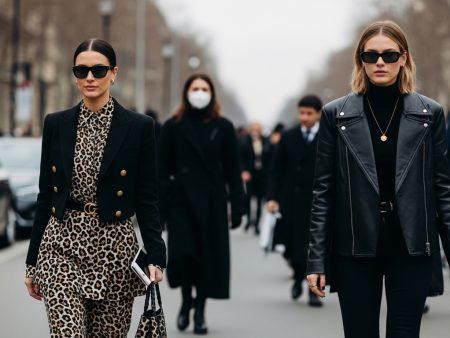
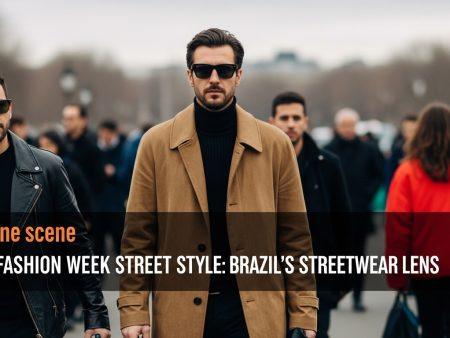
streets Street Style Brazil: Brazilian street style is evolving under pressure, turning sidewalks into laboratories for resilience and expression. From.
tendencia-br.comBrazil street style news and analysis.
streets Street Style Brazil: Streets as Runways: Street Style Brazil
Updated: April 15, 2026
Across Brazil’s busiest avenues, the concept of streets Street Style Brazil is shifting—from a curated social-media stage to a real-time read on how people navigate weather, work, and city life. In cities from São Paulo to Belém, sidewalks function as studios where outfits fuse practicality with expression: rain-ready fabrics, sturdy footwear, and colors borrowed from mural walls and carnival banners. This article examines how urban climate, transportation patterns, and local economies interact with everyday dress codes, turning street corners into a living barometer of cultural exchange and resilience. The deeper question is not just what people wear, but how clothing choices reveal adaptations to rapid urban change and a generational tilt toward craft, collaboration, and community.
Streets as a Canvas: Brazil’s Urban Style
In Brazil, street fashion has long served as a negotiation between place and identity. Today, that negotiation is visibly intensified by the urban mosaic: favelas adjacent to glass towers, skate plazas near traditional markets, and murals that color the same sidewalks people use to commute to work. Designers and hobbyists alike borrow from this mosaic, translating it into outfits that mix durable denim, weatherproof jackets, and handmade accessories. Local makers—often operating at small scales—collaborate with neighborhood collectives to test silhouettes and fabrics in real-time, so what trends on an influencer feed is quickly reinterpreted by someone walking to a bus stop or a day’s shift. The result is fashion that travels slowly across communities yet can shift quickly with a rainstorm or a street festival.
Climate Shocks and Street Fashion
Climate shocks — from sudden downpours to extended heat waves — reshape not only what people wear but how clothes are produced and sourced. In flood-prone corridors of the country, wardrobes skew toward water-resistant weaves, reinforced seams, and multi-layer ensembles that can adapt from sun to rain without sacrificing movement. The weather reality also nudges brands toward local autonomy: regional suppliers, portable repair capabilities, and repair communities that extend the life of garments. When supply chains strain, the street becomes a testing ground for durability and versatility, pushing consumers to value flexibility over sheer novelty. This dynamic helps explain why signature Brazilian pieces often combine craft detail with practical design cues, a fusion that travels well through digital channels and into small pop-up shops across neighborhoods.
Neighborhoods, Brands, and Local Makers
Brazilian street style thrives at street-level economies. In hubs like São Paulo, Rio de Janeiro, and Salvador, small labels and maker collectives multiply, turning corners and markets into runways for community-led design. Local brands emphasize materials that age gracefully under tropical climates, with color palettes drawn from street art, market tones, and samba-brick urban aesthetics. Pedestrian traffic and informal economies foster rapid feedback loops: a jacket cut tested on a corner vendor becomes a standard at a nearby boutique within weeks. This bottom-up vigor creates a recognizable Brazilian signature—one that fuses durability, craft, and a sense of belonging—while inviting cross-cultural exchanges through e-commerce and social platforms.
Technology, Social Media, and Global Feedback
Digital networks accelerate the circulation of Brazilian street style beyond local norms. Short-form clips, live-streamed storefronts, and neighborhood lookbooks translate street-level experiments into global conversations. Brazilian wearers use mobile devices to document weather-driven outfits, tag local designers, and invite followers into pop-up events. The result is a feedback loop where global tastes influence local practice, yet local communities retain a distinct taste for color, symbolism, and fabric behavior under tropical climates. This cross-pollination helps explain why trends in Brazilian streets often arrive with a distinctive practical edge—an aesthetic that looks considered in a photo but performs well in day-to-day life under variable weather and transit conditions.
Actionable Takeaways
- Invest in durable, weather-ready fabrics that perform across tropical rain cycles and urban commutes, reducing the need for frequent replacements.
- Support local brands and maker collectives that operate close to communities, enabling shorter supply chains and greater garment repairability.
- Encourage cross-neighborhood collaborations to test new silhouettes with real users in daily settings, accelerating practical design feedback.
- Leverage social media to showcase authentic street looks tied to climate adaptation, rather than purely aspirational fashion edits.
- Document and map the local street-fashion ecosystem, from markets to pop-ups, to help policymakers and businesses understand where innovation occurs and who it benefits.