The Role of Art and Literature in Shaping Cultural Identity Art and literature have long been considered integral to the development and expression of cultural identity. They serve as vessel.
tendencia-br.comBrazil street style news and analysis.
“The Role of Art and Literature in Shaping Cultural Identity”
Updated: April 15, 2026
The Role of Art and Literature in Shaping Cultural Identity
Art and literature have long been considered integral to the development and expression of cultural identity. They serve as vessels for stories, traditions, and values, allowing communities to articulate who they are and where they come from. In this post, we will explore how art and literature contribute to cultural identity, examining their historical impacts, contemporary roles, and the dynamic interplay between the two.
Historical Impact of Art and Literature on Cultural Identity
Throughout history, art and literature have played pivotal roles in shaping cultural identities. They act as mirrors reflecting the intricacies of societies and the evolution of thought over time. From the ancient cave paintings of Lascaux to the epic tales of Homer, human expression through art and storytelling has always been a cornerstone of cultural identity.
For instance, during the Renaissance, a period of profound cultural rebirth in Europe, art and literature were crucial in shaping Western cultural identity. Artists like Leonardo da Vinci and writers like Dante Alighieri drew from classical antiquity to create works that celebrated humanism and individual potential. This era saw a shift in cultural identity from a predominantly religious focus to one that embraced human achievement and secularism.
Similarly, the Harlem Renaissance in the early 20th century was a significant moment for African American cultural identity. Writers such as Langston Hughes and artists like Aaron Douglas used their mediums to express the unique experiences and struggles of black Americans, challenging societal norms and redefining identity through their works.
The Contemporary Role of Art and Literature

In today’s world, art and literature continue to shape and reflect cultural identities in profound ways. They provide a platform for dialogue and understanding in an increasingly interconnected global society. Contemporary art and literature often address issues such as globalization, migration, and multiculturalism, highlighting the fluidity and complexity of modern cultural identities.
The rise of digital media has democratized access to art and literature, allowing voices from diverse backgrounds to contribute to cultural narratives. Online platforms and social media have enabled artists and writers from marginalized communities to reach global audiences, influencing cultural identities on a broader scale. For example, the works of contemporary authors like Chimamanda Ngozi Adichie highlight the Nigerian experience and contribute to a global understanding of African culture.
Moreover, public art installations and literary festivals have become important cultural events that celebrate diversity and foster community identity. These gatherings allow for the sharing of stories and experiences, reinforcing cultural bonds and promoting inclusivity.
The Interplay Between Art and Literature
The relationship between art and literature is symbiotic, with each influencing the other in the creation and expression of cultural identity. Visual art can enhance literary works by providing imagery that deepens the reader’s experience, while literature can offer narratives that give context and meaning to visual art.
Consider how graphic novels blend art and literature to create immersive storytelling experiences. Works like Art Spiegelman’s Maus use visual art to depict complex historical narratives, allowing readers to engage with cultural identities through a unique medium. Similarly, the Surrealist movement in art and literature, with figures like Salvador Dalí and André Breton, explored the unconscious mind and challenged traditional perceptions of identity.
Art, Literature, and National Identity
Art and literature also play a significant role in shaping national identity. National epics, folklore, and historical paintings often serve as foundational elements of a nation’s cultural heritage. They create a shared narrative that can unify diverse groups within a country.
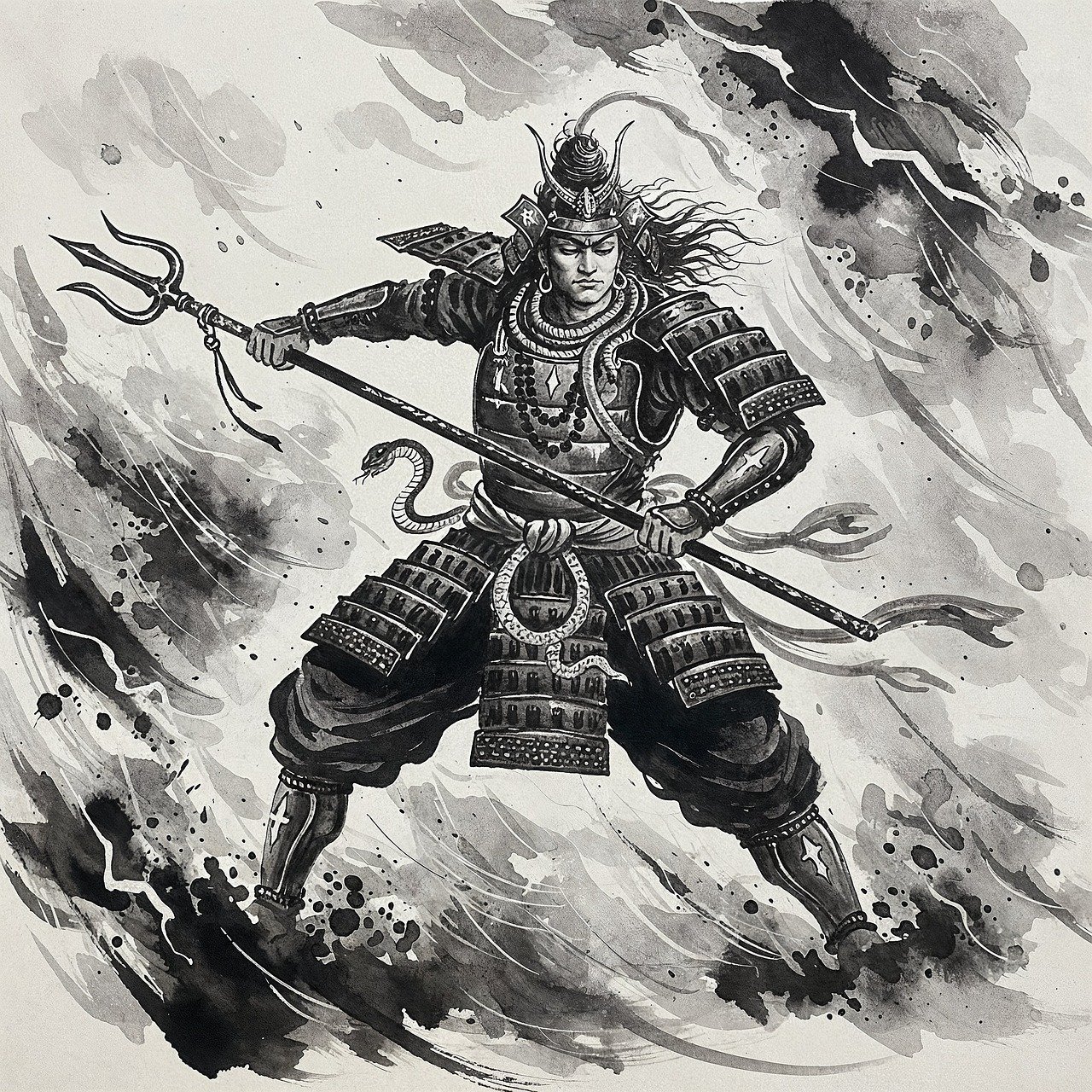
For example, the works of William Shakespeare are considered a cornerstone of British cultural identity. His plays capture the essence of human nature and societal issues, continuing to influence English literature and culture centuries later. Similarly, traditional Japanese art forms like ukiyo-e have shaped Japan’s cultural identity, offering insights into the country’s history and societal values.
In the United States, literature like Mark Twain’s The Adventures of Huckleberry Finn and art movements like Abstract Expressionism have contributed to the nation’s cultural identity. These works reflect the diversity and complexity of the American experience, shaping how Americans perceive themselves and are perceived by others.
Preserving Cultural Identity Through Art and Literature
As cultures evolve, the preservation of cultural identity becomes increasingly important. Art and literature are crucial in maintaining and celebrating cultural heritage, ensuring that future generations understand and appreciate their roots.
Cultural preservation efforts often involve the documentation and revitalization of traditional art forms and literary works. Museums, galleries, and cultural institutions play vital roles in this process, providing spaces where individuals can engage with their cultural history. For instance, the Smithsonian Institution in the United States curates a vast collection of artworks and literary artifacts that reflect the nation’s diverse cultural identity.
Furthermore, initiatives like UNESCO’s Intangible Cultural Heritage program aim to safeguard practices and expressions that are essential to cultural identity, such as traditional music, dance, and oral literature. These efforts ensure that cultural expressions remain vibrant and relevant in a rapidly changing world.

Takeaways
The role of art and literature in shaping cultural identity is both profound and multifaceted. They serve as vehicles for expression, reflection, and preservation, allowing individuals and communities to define and communicate their unique identities. As we navigate the complexities of a globalized world, the interplay between art, literature, and cultural identity remains a crucial aspect of understanding ourselves and each other.
By embracing the diversity of artistic and literary expressions, we can foster a more inclusive and empathetic society, where cultural identities are celebrated and respected. Whether through the revival of traditional practices or the exploration of new artistic forms, art and literature will continue to play a vital role in shaping the cultural landscapes of the future.
Future Directions for Art and Literature in Cultural Identity
Looking ahead, the future of art and literature in shaping cultural identity is promising, driven by technological advancements and the growing recognition of diverse voices. As digital platforms evolve, they provide novel opportunities for artists and writers to experiment and reach wider audiences. Virtual reality and augmented reality, for example, are opening up new dimensions for storytelling and artistic expression, allowing for immersive experiences that engage people in unique ways.
Additionally, the decentralization of cultural production means that individuals and communities can bypass traditional gatekeepers, such as publishers and galleries, to directly share their work with the world. This democratization is particularly important for underrepresented groups, who can use these platforms to tell their stories and influence cultural narratives from their perspectives.
Educational initiatives are also expected to play a critical role in the future. By incorporating diverse art and literature in curricula, educational systems can promote cultural literacy and empathy among students. This approach not only enriches students’ understanding of the world but also ensures that various cultural identities are acknowledged and valued.
Challenges and Considerations
Despite the potential for positive impact, there are challenges and considerations that must be addressed. One significant concern is the commercialization of art and literature, which can sometimes lead to the commodification of cultural identities. It is crucial for creators and consumers alike to remain mindful of the balance between artistic expression and commercial interests.
Another challenge is the risk of cultural appropriation, where elements of a marginalized culture are used by others without permission or understanding. This can lead to the misrepresentation and dilution of cultural identities. To mitigate this, there must be ongoing dialogue and collaboration between cultures, ensuring that art and literature are used to celebrate and not exploit diversity.
Moreover, as digital platforms become more prevalent, issues of digital equity and access must be addressed. Ensuring that all communities have the resources and skills to participate in the digital cultural landscape is essential for equitable representation and expression.
The Globalization of Cultural Identity
Globalization presents both opportunities and challenges for cultural identity. On one hand, it allows for the cross-pollination of ideas and artistic styles, fostering innovation and hybridity. On the other hand, it can lead to the homogenization of cultures, where dominant narratives overshadow local traditions.
Art and literature have the power to navigate these complexities by highlighting the richness of cultural diversity while promoting a shared global identity. Initiatives such as international art biennales and literary festivals bring together creators from across the globe, offering platforms for cultural exchange and collaboration. These events celebrate the unique contributions of different cultures while encouraging dialogue on common global issues.
The Role of Technology in Art and Literature
Technology continues to reshape how art and literature are created, distributed, and consumed. The rise of artificial intelligence and machine learning has introduced new possibilities for artistic creation, from AI-generated paintings to computer-written poetry. These technologies challenge traditional notions of authorship and creativity, inviting us to reconsider what constitutes art and literature.
Furthermore, blockchain technology is being explored as a means to protect intellectual property and ensure fair compensation for creators. By providing transparent and secure ways to track the ownership and use of digital works, blockchain could empower artists and writers in the digital age.
As these technologies evolve, they will undoubtedly influence cultural identities, offering new tools for expression and engagement. It will be essential for creators to harness these technologies thoughtfully, ensuring that they enhance rather than detract from the richness of cultural narratives.
Takeaways
Art and literature remain vital forces in shaping cultural identity, providing avenues for expression, connection, and understanding. As we move into the future, the interplay between traditional practices and emerging technologies will continue to redefine how cultural identities are formed and communicated.
By embracing the diversity of artistic and literary voices, we can foster a more inclusive and empathetic global society. Whether through preserving cultural heritage or exploring new forms of expression, art and literature will continue to illuminate the complexities of human identity, guiding us toward a deeper appreciation of our shared and unique experiences.
Ultimately, the role of art and literature in shaping cultural identity is not just about preserving the past or navigating the present; it is about envisioning and crafting the future. As we engage with these creative mediums, we have the opportunity to redefine who we are and how we relate to the world around us, ensuring that cultural identities remain vibrant, dynamic, and meaningful for generations to come.