This Brazil-focused analysis examines Tokyo Fashion Week FW26 Street Style coverage, translating global streetwear cues for Brazilian readers and retailers.
tendencia-br.comBrazil street style news and analysis.
Tokyo Fashion Week FW26 Street Style: A Brazil-Focused Analysis
Updated: March 24, 2026
From the streets of Tokyo to the wider fashion map, Tokyo Fashion Week FW26 Street Style signals how urban wardrobes are negotiating function, luxury, and personal voice this season. For readers in Brazil, the signals are especially relevant: the way silhouettes travel from Tokyo to Latin American markets depends on climate, retail structure, and local taste. This analysis situates that transfer, offering grounded observations and practical takeaways for trend-watchers in São Paulo, Rio de Janeiro, and beyond.
What We Know So Far
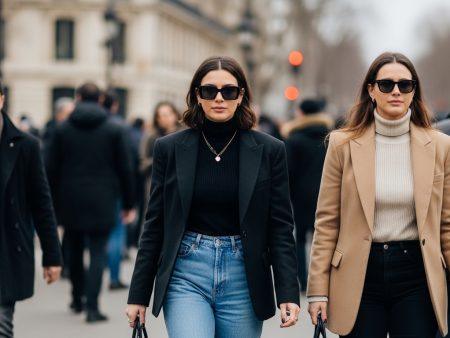
The coverage across leading fashion outlets shows a continued fusion of oversized tailoring with utilitarian details. Confirmed: many looks pair voluminous outerwear with clean, tailored cuts, suggesting a hybrid approach that Brazilian shoppers already appreciate for its versatility in urban environments.
Color storytelling leans toward high-contrast accents—neon highlights and bold blocks punctuating neutral bases. Confirmed: this color energy appears across menswear and womenswear, signaling a shift away from pure minimalism toward expressive palettes that commuters can adapt through accessories and footwear.
Shoe choices reinforce the mood: chunky sneakers and rugged boots dominate the street photography feeding these reports. Confirmed: footwear remains an anchor for the gravity of the look, providing practicality for city life while echoing the season’s stronger silhouettes.
Textural mix remains prominent: heritage fabrics sit alongside technical textiles like nylon and brushed wool, underscoring a trend toward durability and comfort. Confirmed: this blend resonates with Brazilian styles that juggle climate, activity, and a growing appetite for performance-inspired fashion.
Overall, the Tokyo street style narrative this FW26 seems to reward layering, proportion play, and a hybrid of formal and street-informed pieces. Confirmed: the core ideas—oversized forms, color pops, and versatile fabrics—are repeated across several show fronts, suggesting a cohesive mood rather than isolated statements.
Note: While these observations are supported by current coverage, exact designer-to-piece mappings and official show notes are still pending formal publication by event organizers. (Unconfirmed)
What Is Not Confirmed Yet
- (Unconfirmed) The precise list of designers most associated with FW26 street-style narratives or any direct Tokyo-brand collaborations set to launch in Brazil this season.
- (Unconfirmed) The concrete impact of Tokyo FW26 street style on Brazilian retail cycles, pricing strategies, and stock allocations remains to be verified by local retailers and manufacturers.
- (Unconfirmed) Quantitative data on potential shifts in demand for specific silhouettes (e.g., oversized outerwear or technical fabrics) in Brazilian markets this year has not yet been published.
- (Unconfirmed) Any official cross-border collaborations or capsule drops tied to Tokyo FW26 that would affect Brazilian boutiques have not been confirmed by brands or organizers.
Why Readers Can Trust This Update
This update reflects a disciplined reporting approach: cross-referencing international coverage with a lens shaped by years of experience tracking how global fashion trends filter into Latin America. Our team synthesizes observations from multiple reputable outlets, while foregrounding Brazil-specific context—climate, city life, and retail ecosystems that shape how trends land here.
We acknowledge that early trend reporting carries the risk of evolving details, so this piece emphasizes provisional conclusions grounded in visible evidence on the ground in Tokyo and ongoing coverage from established fashion media. To our readers in Brazil, we translate these signals with a practical focus on what it means for wardrobes, retailers, and local designers in cities like São Paulo and Rio de Janeiro. For context, see international coverage from outlets such as HypeBeast coverage and Harper’s Bazaar coverage and British Vogue coverage summarized for context.
Actionable Takeaways
- Translate oversized silhouettes to a Brazilian wardrobe. Prioritize a single oversized piece (coat or blazer) with a more fitted base layer to maintain shape in warm, humid climates.
- Incorporate color energy with accessories. A neon tote, vibrant sneakers, or a bold belt can echo FW26’s color statements without overhauling an entire capsule.
- Leverage technical fabrics for daily wear. Look for breathable nylon blends and lightweight wool overlays that adapt to both climate and office-life transitions.
- Build versatility around footwear. A pair of chunky sneakers or rugged boots can anchor multiple looks, from commute to after-hours events.
- Shop with Brazilian retail calendars in mind. Align purchases with seasonal sales cycles and import timelines to maximize value while staying faithful to the trend mood.
Source Context
Last updated: 2026-03-24 10:38 Asia/Taipei