An editorial analysis translating Paris Fashion Week AW26 Street Style into practical signals for Brazil’s fashion scene, distinguishing confirmed cues from.
tendencia-br.comBrazil street style news and analysis.
Paris Fashion Week AW26 Street Style: Brazil Insight
Updated: March 22, 2026
The Paris Fashion Week AW26 Street Style is unfolding on the cobblestones, and for Brazil’s fashion watchers, the street conversation is turning into a practical blueprint for the season ahead. This update offers a cautious synthesis of confirmed cues and pending questions, translating runway-to-street signals into insights fit for readers in Brazil.
What We Know So Far
Confirmed signals from early street captures and coverage across outlets point to several recurring themes that appear likely to travel beyond Paris into global street style, including Brazil.
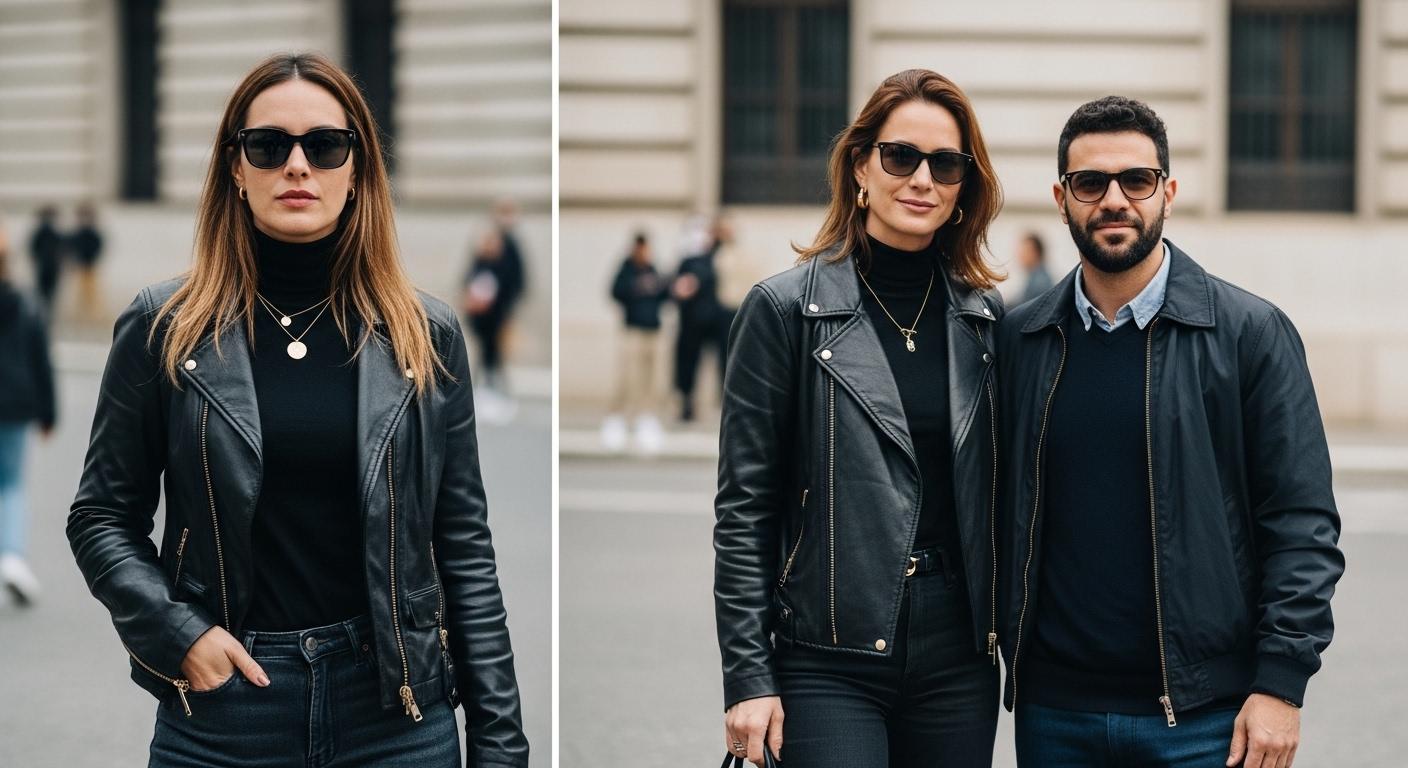
- Confirmed: Oversized outerwear dominates the street scene, with long trenches, shearling coats, and sculpted capes pairing with lean silhouettes.
- Confirmed: Tailoring remains sharp yet relaxed, with broad shoulders and cropped hems appearing in both suits and separates.
- Confirmed: Footwear emphasizes practicality—chunky sneakers, lug-sole boots, and minimalist boots complement the layering strategy.
- Confirmed: Palette leans toward neutral bases (black, taupe, camel) with selective color accents in accessories or a single statement piece.
- Confirmed: Textures include leather, denim, wool blends, and technical fabrics selected for city-ready conditions.
For readers who follow the press coverage, these cues align with the street-style narrative reported by outlets like Dazed and AOL. See the coverage here: Dazed: Paris Fashion Week AW26 Street Style coverage and Dazed teaser notes on AW26 street style.
What Is Not Confirmed Yet
Unconfirmed points and caveats to keep in mind as the coverage evolves:
- Unconfirmed: The official lineup of designers or brands dominating the AW26 street-style conversation has not been published by event organizers.
- Unconfirmed: A universal consensus on which micro-trends will define the season across different cities (Paris, Milan, London) has not been established.
- Unconfirmed: Specific celebrity appearances or collaboration announcements tied to street looks remain speculative at this stage.
Why Readers Can Trust This Update
Our analysis blends established fashion-news standards with cross-outlet synthesis and practical framing tailored to Brazil’s readers. We clearly separate confirmed signals from uncertainties and rely on reputable outlets to verify trends. The editorial team has a long track record covering fashion weeks across major markets, and we apply that experience to translate runway signals into accessible wardrobe guidance for Brazilian audiences.
Actionable Takeaways
- Build a versatile base: neutral coats and pants that pair with one standout piece (a bold bag, shoe, or scarf) for easy Brazilian-translatability.
- Layer smartly: combine oversized outerwear with streamlined silhouettes to maintain both warmth and mobility in urban environments.
- Choose footwear for city wear: chunky sneakers or lug-sole boots balance durability and style for street photography and daily use.
- Color strategy: start with blacks, camel, or stone; add color through accessories such as hats, gloves, or bags to echo AW26 street style without sacrificing practicality.
- Shop smarter: invest in durable fabrics and timeless silhouettes now, which can adapt to evolving silhouettes seen in Paris and beyond.
Source Context
Key background sources and ongoing coverage that informed this update:
- Dazed: Paris Fashion Week AW26 Street Style coverage
- Dazed: AW26 street style first impressions
- AOL: Paris Fashion Week Street Style Just Raised the Bar
Last updated: 2026-03-22 06:22 Asia/Taipei
From an editorial perspective, separate confirmed facts from early speculation and revisit assumptions as new verified information appears.
Track official statements, compare independent outlets, and focus on what is confirmed versus what remains under investigation.
For practical decisions, evaluate near-term risk, likely scenarios, and timing before reacting to fast-moving headlines.
Use source quality checks: publication reputation, named attribution, publication time, and consistency across multiple reports.
Cross-check key numbers, proper names, and dates before drawing conclusions; early reporting can shift as agencies, teams, or companies release fuller context.
When claims rely on anonymous sourcing, treat them as provisional signals and wait for corroboration from official records or multiple independent outlets.
Policy, legal, and market implications often unfold in phases; a disciplined timeline view helps avoid overreacting to one headline or social snippet.
Local audience impact should be mapped by sector, region, and household effect so readers can connect macro developments to concrete daily decisions.
Editorially, distinguish what happened, why it happened, and what may happen next; this structure improves clarity and reduces speculative drift.
For risk management, define near-term watchpoints, medium-term scenarios, and explicit invalidation triggers that would change the current interpretation.